

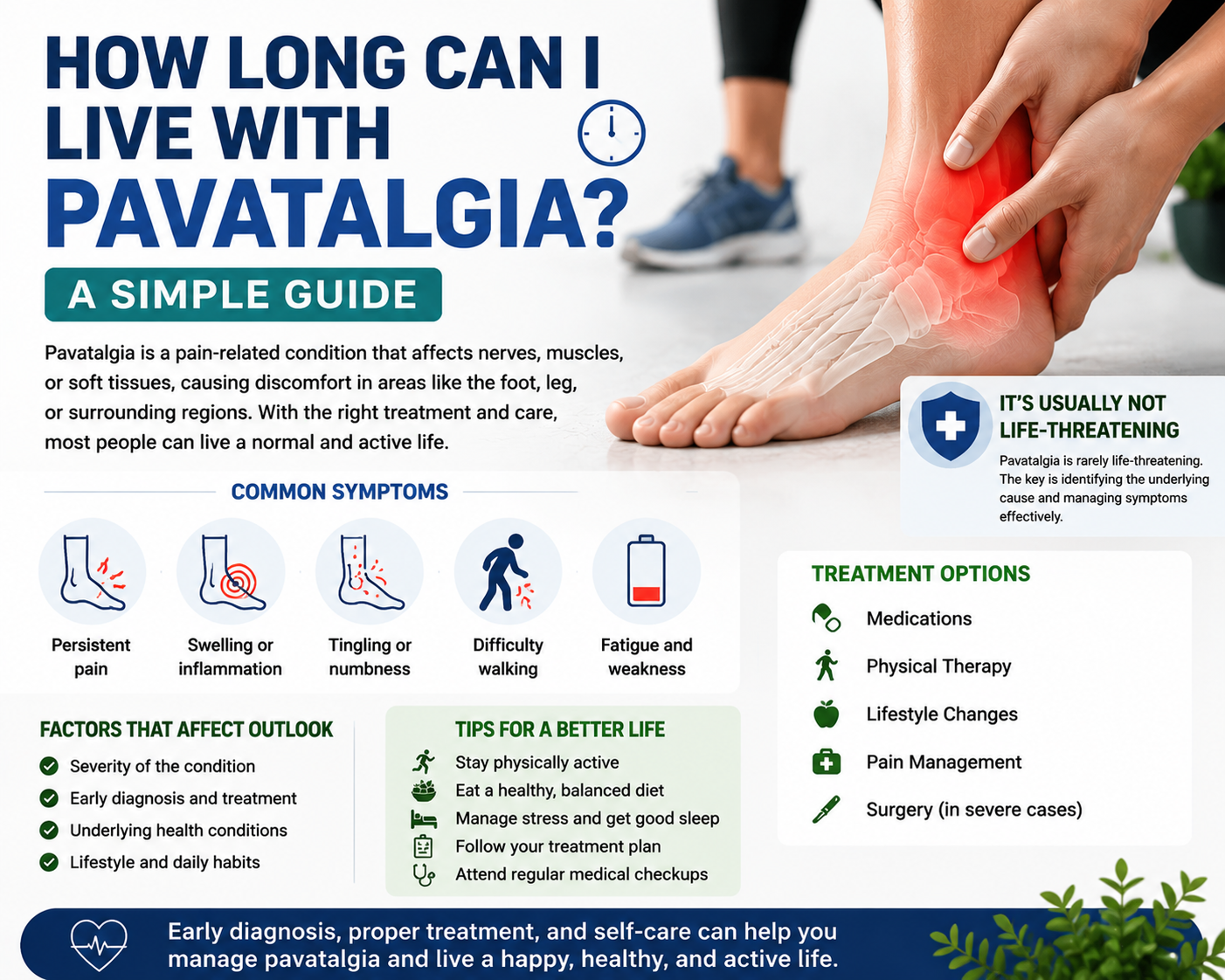
Living with ongoing pain can feel frightening, especially when you are unsure what it means for your future. Many people searching for how long can i live with pavatalgia are looking for reassurance, clear answers, and practical advice. The good news is that most chronic pain-related conditions are manageable when they are diagnosed early and treated properly.
Although the term “pavatalgia” is not widely recognized in major medical textbooks, it is often used online to describe persistent pain or discomfort that affects daily life. In many situations, the condition itself is not life-threatening. What matters most is understanding the real cause behind the pain and receiving the right medical care.
This guide explains everything you need to know in simple language, including symptoms, causes, treatment options, quality of life, and what doctors say about long-term outlook.
What Is Pavatalgia?
Pavatalgia is generally described as a pain-related condition that may involve nerves, muscles, joints, or soft tissue discomfort. Since the term is uncommon in formal medicine, doctors usually focus on identifying the exact source of the pain rather than treating the label itself.
Pain conditions like this can vary greatly from person to person. Some people experience mild discomfort that comes and goes, while others struggle with chronic pain that affects movement, sleep, work, and emotional well-being.
Common symptoms may include:
- Persistent aching or burning pain
- Tingling or numbness
- Swelling or tenderness
- Difficulty walking or standing
- Muscle weakness
- Fatigue caused by chronic discomfort
The severity of symptoms often depends on the underlying condition causing the pain.
How Long Can I Live With Pavatalgia?
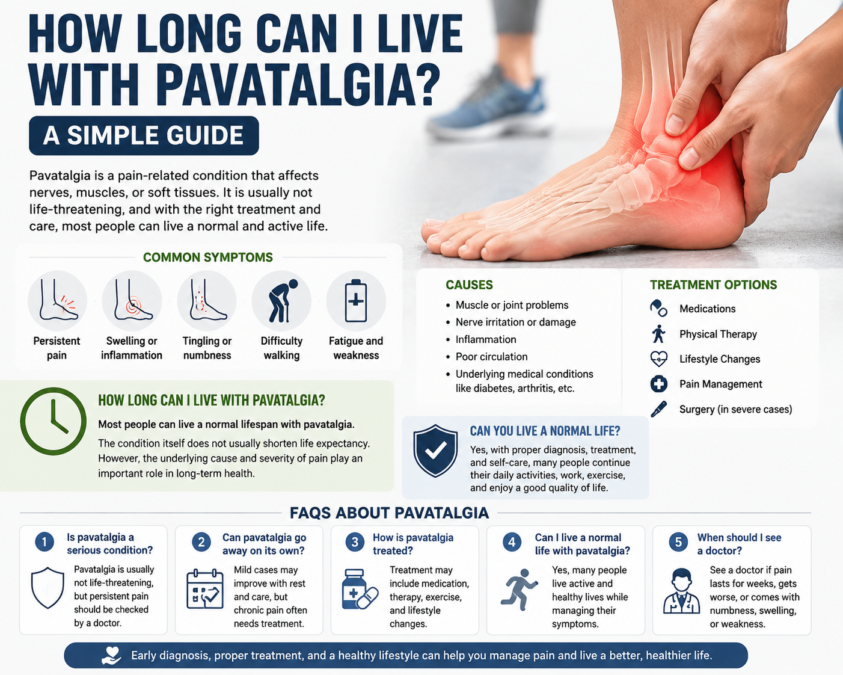
The simple answer is this: most people can live a normal lifespan with pavatalgia, especially if the underlying cause is treated properly.
Pain itself does not usually shorten life expectancy. However, untreated medical conditions linked to pain can sometimes lead to complications. That is why getting a professional diagnosis is important.
For example:
- Mild muscular or nerve irritation may improve within weeks or months
- Chronic inflammation may require long-term management
- Nerve-related conditions may need specialized treatment
- Underlying diseases like diabetes or circulation problems may affect long-term health
In many cases, people live for decades with chronic pain conditions while maintaining a productive and meaningful life.
Is Pavatalgia Life-Threatening?
Pavatalgia is usually not considered a fatal condition. Most chronic pain disorders affect comfort and quality of life more than lifespan.
Still, certain warning signs should never be ignored. Pain can sometimes signal serious medical problems that need immediate attention.
You should seek medical help if you experience:
- Sudden severe pain
- Fever with swelling or redness
- Difficulty breathing
- Loss of mobility
- Numbness or weakness
- Unexplained weight loss
- Severe worsening symptoms
These symptoms may indicate infection, nerve damage, or another serious condition requiring urgent treatment.
What Causes Pavatalgia?
Since pavatalgia is not a standard medical diagnosis, the causes can vary widely. Doctors usually investigate the underlying reason for the pain.
Possible causes include:
Muscle and Joint Problems
Overuse injuries, poor posture, arthritis, and strain can trigger long-term discomfort. Repetitive movement or standing for long periods may also worsen symptoms.
Nerve Irritation
Compressed or damaged nerves may cause burning pain, tingling, or numbness. Nerve-related pain often feels different from muscle soreness.
Inflammation
Inflammatory conditions can affect joints, tendons, or surrounding tissues. Chronic inflammation may cause ongoing stiffness and discomfort.
Circulation Issues
Poor blood flow can lead to pain, swelling, or weakness in some parts of the body.
Underlying Medical Conditions
Conditions such as diabetes, autoimmune disorders, infections, or chronic injuries can sometimes contribute to persistent pain.
Symptoms You Should Not Ignore
Chronic pain can sometimes develop slowly, making it easy to overlook early signs. Paying attention to symptoms may help doctors diagnose the problem sooner.
Important symptoms include:
- Constant pain lasting several weeks
- Pain that interferes with sleep
- Reduced mobility
- Difficulty performing normal activities
- Pain spreading to other areas
- Increased fatigue
- Emotional stress caused by discomfort
The earlier the cause is identified, the better the chances of improving symptoms.
How Doctors Diagnose Pavatalgia
Diagnosing pain-related conditions usually involves several steps. Doctors aim to understand both the location of the pain and the possible medical causes behind it.
Physical Examination
Your doctor may check:
- Muscle strength
- Range of motion
- Swelling or tenderness
- Reflexes and nerve function
Medical History
You may be asked questions about:
- When the pain started
- What makes it worse or better
- Past injuries or illnesses
- Lifestyle habits
Imaging Tests
Depending on symptoms, doctors may recommend:
- X-rays
- MRI scans
- CT scans
- Ultrasound imaging
Blood Tests
Blood work may help detect inflammation, infection, or autoimmune conditions.
A proper diagnosis is important because successful treatment depends on understanding the exact source of the pain.
Treatment Options for Pavatalgia
Treatment for pavatalgia depends on the cause, severity, and duration of symptoms. Most treatment plans focus on reducing pain, improving movement, and restoring quality of life.
Medications
Doctors may recommend:
- Anti-inflammatory medications
- Pain relievers
- Muscle relaxants
- Nerve pain medications
Medication plans vary depending on individual health conditions.
Physical Therapy
Physical therapy is one of the most effective long-term strategies for chronic pain management.
Therapy may include:
- Stretching exercises
- Strength training
- Posture correction
- Mobility improvement
Many people notice significant improvement after consistent therapy sessions.
Lifestyle Changes
Healthy habits can play a major role in pain control.
Helpful lifestyle changes include:
- Maintaining a healthy weight
- Staying physically active
- Getting enough sleep
- Managing stress
- Avoiding activities that worsen pain
Even small daily changes can improve overall well-being.
Advanced Treatments
In severe cases, doctors may suggest:
- Steroid injections
- Pain management therapy
- Nerve treatments
- Surgical procedures
Surgery is usually considered only when other treatments fail or when there is a clear structural problem.
Can You Live a Normal Life With Pavatalgia?
Yes, many people live normal and active lives while managing chronic pain conditions.
The key is learning how to control symptoms and protect your physical and emotional health. Chronic pain can be frustrating, but it does not mean life is over.
People often improve their quality of life by:
- Following treatment plans consistently
- Staying active within safe limits
- Building healthy routines
- Managing stress effectively
- Seeking emotional support when needed
Pain management is often a long-term process, but many individuals continue working, traveling, exercising, and enjoying family life.
Emotional Effects of Chronic Pain
Long-term pain affects more than just the body. It can also impact mental and emotional health.
People living with chronic pain may experience:
- Anxiety
- Depression
- Irritability
- Sleep problems
- Social isolation
This emotional strain is common and understandable. Chronic pain can feel exhausting, especially when symptoms interfere with everyday activities.
Seeking support from family, friends, counselors, or support groups can make a major difference. Mental health care is an important part of overall pain management.
Tips to Improve Quality of Life
Managing pavatalgia often requires a combination of medical care and daily self-care habits.
Stay Physically Active
Gentle movement helps maintain flexibility and muscle strength. Walking, swimming, and stretching can often reduce stiffness.
Prioritize Sleep
Poor sleep can increase pain sensitivity. Building healthy sleep habits may improve both physical and emotional health.
Reduce Stress
Stress can worsen chronic pain. Relaxation techniques such as deep breathing, meditation, and mindfulness may help.
Follow Medical Advice
Ignoring symptoms or stopping treatment too early can lead to worsening pain. Consistency matters.
Maintain Healthy Nutrition
A balanced diet supports overall health and may reduce inflammation in some cases.
When Should You See a Doctor?
You should contact a healthcare professional if:
- Pain lasts longer than a few weeks
- Symptoms continue getting worse
- Daily activities become difficult
- Pain interrupts sleep regularly
- Weakness or numbness develops
- Home remedies no longer help
Early medical care may prevent complications and improve recovery.
Common Myths About Pavatalgia
There are many misunderstandings surrounding chronic pain conditions. Separating facts from myths is important.
Myth: Pavatalgia Always Shortens Life
In most cases, chronic pain itself does not reduce lifespan. The real concern is identifying any serious underlying condition.
Myth: Nothing Can Help
Many people improve through proper treatment, therapy, and lifestyle adjustments.
Myth: Surgery Is Always Necessary
Most chronic pain conditions are treated without surgery. Conservative treatment is often successful.
Final Thoughts
If you have been wondering how long can i live with pavatalgia, the most important thing to remember is that chronic pain does not automatically mean a shorter life.
For many people, pavatalgia-like symptoms are manageable with the right diagnosis, treatment plan, and healthy lifestyle choices. The key is understanding what is causing the pain and addressing it early.
Do not ignore persistent symptoms, but also do not panic. Medical advances in pain management, physical therapy, and chronic care continue to help people live healthier and more comfortable lives.
With proper support and treatment, many individuals continue to work, stay active, enjoy relationships, and maintain a good quality of life despite chronic pain challenges.
FAQs About Pavatalgia
Is pavatalgia a serious condition?
Pavatalgia is usually not considered life-threatening. However, persistent pain should always be checked by a doctor to identify the underlying cause and prevent possible complications.
Can pavatalgia go away on its own?
Mild cases related to strain or inflammation may improve with rest and proper care. Chronic or worsening symptoms often require medical treatment and lifestyle changes.
How is pavatalgia treated?
Treatment may include medications, physical therapy, exercise, healthy lifestyle habits, and pain management techniques. The treatment depends on what is causing the pain.
Can I live a normal life with pavatalgia?
Yes, many people continue to live active and healthy lives while managing chronic pain. Early diagnosis and consistent treatment can greatly improve quality of life.
When should I see a doctor for pavatalgia?
You should seek medical advice if the pain lasts for several weeks, becomes severe, affects movement, or comes with symptoms like numbness, swelling, or weakness.
