

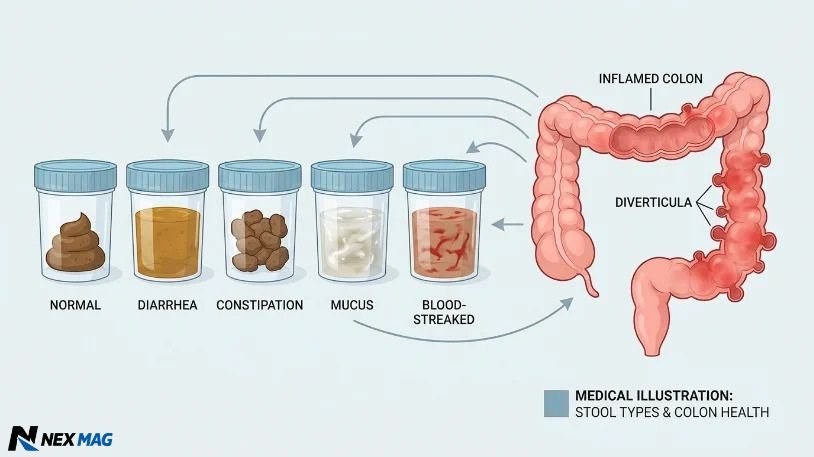
Changes in bowel movements can be unsettling, especially when they happen alongside abdominal pain, bloating, or fever. People experiencing these symptoms often wonder: What does poop look like with diverticulitis?
There is no single stool appearance that proves someone has diverticulitis. Some people become constipated and pass small, hard stools, while others develop diarrhea or more frequent bowel movements. Mucus may occasionally be present, and bleeding can occur in some cases. However, these changes can also result from many other digestive conditions.
The most important point is that diverticulitis is diagnosed by considering the complete pattern of symptoms—not by examining stool alone. Persistent lower abdominal pain, fever, nausea, tenderness, and a noticeable change in bowel habits deserve medical attention.
This guide explains the possible stool changes associated with diverticulitis, what different colors may mean, and which warning signs require urgent care.
| Label | Information |
|---|---|
| Topic | What Does Poop Look Like With Diverticulitis |
| Condition | Diverticulitis |
| Body Part | Colon (Large Intestine) |
| Main Symptom | Changes in bowel movements |
| Common Stool Changes | Constipation, diarrhea, mucus, narrow stool |
| Possible Stool Color | Brown, red, black, green, or yellow |
| Other Symptoms | Lower abdominal pain, fever, nausea, bloating |
| Diagnosis | Physical exam, blood tests, CT scan, stool tests |
| Treatment | Rest, diet changes, medicines, and sometimes antibiotics |
| Recovery | Most mild cases improve with proper medical care |
| Emergency Signs | Heavy bleeding, black stool, severe pain, high fever |
| Prevention Tips | Eat enough fiber, stay hydrated, exercise, and follow medical advice |
Understanding Diverticulitis
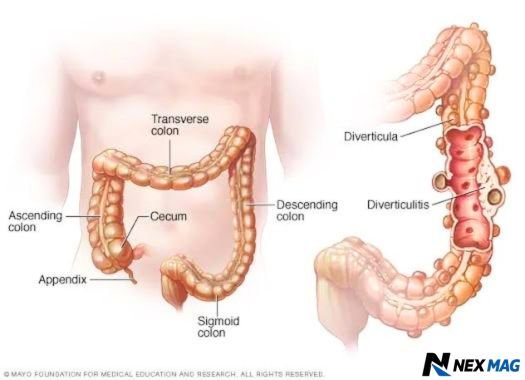
Small pouches called diverticula can form in weak areas of the colon wall. The presence of these pouches is known as diverticulosis. Many people have diverticulosis without knowing it because the pouches often cause no symptoms.
Diverticulitis develops when one or more diverticula become inflamed. Infection may also be present, although inflammation does not always mean that antibiotics will be necessary.
The inflammation can irritate nearby colon tissue and interfere with the normal movement of stool. This may lead to constipation, diarrhea, urgency, abdominal pressure, or other noticeable bowel changes.
Diverticulitis often affects the sigmoid colon, which is located toward the lower left side of the abdomen. For this reason, persistent pain in the lower-left abdomen is considered one of its classic symptoms. Some people, however, may feel pain in a different location.
What Does Poop Look Like With Diverticulitis?
So, what does poop look like with diverticulitis? It may appear normal, hard and pellet-like, loose and watery, narrower than usual, or coated with mucus. The exact appearance depends on how inflammation affects the person’s bowel movement.
There is no universal “diverticulitis stool.” One person may experience several days of constipation, while another may have diarrhea. Some may notice very little visual change but experience severe pain and fever.
Commonly reported changes include:
- Small, hard pieces of stool
- Loose or watery bowel movements
- More frequent or less frequent stools
- Mucus mixed with or coating the stool
- Temporary narrowing of the stool
- Red blood in or around the stool
These signs are not specific to diverticulitis. Irritable bowel syndrome, infections, hemorrhoids, inflammatory bowel disease, medication effects, dietary changes, and colorectal conditions can cause similar changes.
Constipation
Constipation is a common bowel complaint during a diverticulitis flare. Stool may look dry, firm, cracked, or pellet-like. Some people pass only small amounts at a time and feel as though the bowel has not emptied completely.
Inflammation, pain, reduced food intake, dehydration, and decreased physical activity can all contribute to constipation. Certain medicines, including some pain relievers, may make it worse.
Severe constipation should not be ignored when it occurs with worsening abdominal pain, swelling, vomiting, or an inability to pass gas. This combination may indicate a bowel obstruction or another complication requiring urgent assessment.
Avoid taking strong laxatives without medical advice during a suspected acute flare. Some products may increase cramping or be unsuitable when inflammation or obstruction is possible.
Diarrhea
Diverticulitis may also cause loose, soft, or watery stool. A person might need to use the bathroom more often than usual or feel sudden urgency.
Diarrhea can develop when inflammation irritates the colon and alters the speed at which stool moves through it. It may also occur because of dietary changes, an unrelated infection, or medication side effects.
Antibiotics, when prescribed, can sometimes cause loose stools. Persistent or severe diarrhea during or after antibiotic treatment should be discussed with a healthcare professional, especially if accompanied by fever, dehydration, or worsening pain.
Drinking appropriate fluids is important because repeated watery bowel movements can lead to dehydration. Warning signs include dry mouth, dizziness, weakness, reduced urination, and unusually dark urine.
Narrow Stool
Some people describe thinner, ribbon-like, or pencil-shaped stool during a period of digestive discomfort. Temporary narrowing may occur because of colon spasms, swelling, constipation, or the passage of only a small amount of stool.
However, persistently narrow stools are not a reliable or exclusive sign of diverticulitis. They can occur for many reasons, including irritable bowel syndrome and changes in bowel motility.
A lasting change in stool shape should be medically evaluated, particularly when it occurs with unexplained weight loss, ongoing bleeding, anemia, worsening constipation, or a major change in normal bowel habits.
A single narrow bowel movement is usually less meaningful than a consistent pattern lasting several weeks.
Mucus in Stool
The colon naturally produces mucus to help stool pass smoothly. A small amount may occasionally be visible without indicating a serious problem.
During inflammation, more mucus may be produced. It can appear as clear, white, or slightly yellow jelly-like material on the surface of the stool or mixed into it.
Mucus may occur with diverticular disease, but it is not specific to diverticulitis. It can also be seen with bowel infections, irritable bowel syndrome, inflammatory bowel disease, and other conditions.
Medical advice is appropriate when mucus becomes frequent, increases noticeably, smells unusually foul, or appears with blood, fever, persistent diarrhea, or significant pain.
Blood in Stool
Blood may appear bright red, dark red, maroon, or black depending on where the bleeding originates and how quickly it moves through the digestive tract.
Diverticular pouches can bleed, but diverticular bleeding is not always caused by active diverticulitis. In fact, diverticular bleeding may occur without the pain and inflammation usually associated with an acute flare.
Bright-red blood may be seen on toilet paper, in the toilet bowl, or mixed with stool. Hemorrhoids and anal fissures are also common causes, so blood does not automatically mean diverticulitis.
Any new or unexplained rectal bleeding should be discussed with a healthcare professional. Heavy bleeding, dizziness, fainting, weakness, a racing heartbeat, or large blood clots require emergency care.
Black Stool
Black, sticky, tar-like stool is known as melena. It often suggests that blood has been digested after coming from higher in the digestive tract, such as the stomach or upper small intestine.
Black stool is not the typical appearance of bleeding from diverticulitis. Certain medicines and foods—including iron supplements, bismuth-containing products, and some dark-colored foods—can also darken stool. However, true tarry stool may represent significant internal bleeding.
Seek urgent medical care for black, tar-like stool, particularly when it is accompanied by weakness, dizziness, abdominal pain, vomiting blood, shortness of breath, or fainting.
Do not assume black stool is simply part of diverticulitis.
Stool Color
Normal stool is generally medium to dark brown. Color may change according to diet, medication, bile movement, and the speed at which material passes through the intestine.
Yellow stool can develop when stool moves quickly or contains increased fat. One yellow bowel movement is not usually enough to indicate a specific condition.
Green stool often results from green foods, food coloring, iron, or rapid intestinal transit. Diarrhea may remain green because bile does not have enough time to change completely to brown.
Red stool may result from bleeding, but foods such as beets, tomatoes, and red food coloring can create a similar appearance.
Pale or clay-colored stool may indicate reduced bile reaching the intestine. This is not considered a typical diverticulitis sign and should be assessed if it persists, especially with jaundice or dark urine.
Stool color can offer clues, but it rarely identifies the cause without other information.
Odor Changes
Diarrhea, constipation, altered digestion, and dietary changes can make stool smell stronger than usual. Some people report especially foul-smelling bowel movements during a digestive illness.
Odor alone cannot diagnose diverticulitis. Stool smell varies significantly based on food, supplements, medication, hydration, gut bacteria, and how long stool remains in the colon.
An unusually foul smell accompanied by persistent watery diarrhea, fever, blood, weight loss, or recent antibiotic use should be reported to a healthcare professional.
Other Symptoms
Stool changes become more concerning when they occur with symptoms commonly associated with acute diverticulitis.
The most recognizable symptom is steady abdominal pain, often on the lower-left side. The area may feel tender when touched, and the pain may worsen during movement or bowel movements.
Additional symptoms may include:
- Fever or chills
- Nausea or vomiting
- Abdominal bloating
- Constipation or diarrhea
- Reduced appetite
- Fatigue
- Increased urinary frequency or discomfort
- Difficulty passing stool or gas
Symptoms can develop suddenly or worsen over several days. Not everyone experiences the same pattern.
Because several abdominal conditions can resemble diverticulitis, professional evaluation is important when the pain is new, persistent, or severe.
Mild and Severe Symptoms
Uncomplicated diverticulitis means that inflammation is present without major problems such as an abscess, perforation, fistula, or obstruction. Symptoms may include localized pain, tenderness, fever, nausea, and a change in bowel movements.
Complicated diverticulitis can produce more severe illness. Possible complications include an abscess, a hole in the colon, inflammation of the abdominal lining, abnormal connections between organs, bleeding, or narrowing of the colon.
Warning signs include:
- Severe or rapidly worsening abdominal pain
- A rigid or very swollen abdomen
- Persistent vomiting
- Inability to pass stool or gas
- Heavy rectal bleeding
- High fever or shaking chills
- Confusion, weakness, or fainting
- Rapid heartbeat or breathing
- Signs of dehydration
These symptoms require urgent medical assessment rather than home treatment.
How Diverticulitis Is Diagnosed
A doctor does not diagnose diverticulitis based only on stool appearance. The evaluation usually begins with questions about the location and duration of pain, bowel changes, fever, previous episodes, medications, and medical history.
A physical examination may identify tenderness, guarding, swelling, or other findings.
Blood tests can help detect inflammation, infection, anemia, dehydration, or problems involving other organs. A urine test may help rule out urinary tract or kidney conditions. Stool tests may be ordered when diarrhea is present to check for infection or other causes.
A CT scan is commonly used when acute diverticulitis is suspected. It can show inflamed diverticula and identify complications such as an abscess, perforation, or obstruction.
Colonoscopy is generally not performed during a severe acute attack because the colon may be inflamed and more vulnerable. A clinician may recommend it after recovery, depending on the individual’s symptoms, previous screening, and imaging findings.
Treatment
Treatment depends on symptom severity, overall health, test results, and whether complications are present.
Some people with mild, uncomplicated diverticulitis can recover at home under medical guidance. Care may involve rest, fluids, short-term dietary adjustments, and appropriate pain relief.
Antibiotics are not automatically required for every uncomplicated case. A healthcare professional may prescribe them when bacterial infection is suspected, symptoms are more severe, the immune system is weakened, or complications are present.
Hospital treatment may be necessary for severe pain, vomiting, dehydration, significant infection, inability to eat or drink, serious underlying illness, or complicated diverticulitis.
An abscess may need drainage. Surgery can be required for perforation, widespread infection, obstruction, fistula, uncontrolled bleeding, or selected recurrent cases.
Eating During a Flare
During an acute flare, a doctor may recommend a temporary clear-liquid or low-fiber approach. This is generally intended for a short period while symptoms settle—not as a permanent diet.
Clear liquids may include water, broth, gelatin, and certain pulp-free drinks, depending on the clinician’s instructions.
As symptoms improve, easy-to-digest, lower-fiber foods may be introduced. Examples can include white rice, refined bread, eggs, yogurt, potatoes without skin, and tender protein.
A normal diet should be resumed gradually according to medical advice. Remaining on a highly restrictive liquid diet for too long can result in inadequate calories, protein, and nutrients.
Fiber After Recovery
After recovery, many people are advised to increase dietary fiber gradually. Fiber can help produce softer, bulkier stools and support regular bowel movements.
Useful sources include fruits, vegetables, beans, lentils, oats, and whole grains. Increasing fiber too quickly may cause gas and bloating, so gradual changes are often easier to tolerate.
Adequate fluid intake is important when consuming more fiber. Individual needs differ, particularly for people with kidney, heart, or other medical conditions that affect fluid recommendations.
The old belief that everyone with diverticular disease must avoid nuts, seeds, popcorn, or foods with small seeds is not generally supported by modern guidance. Personal tolerance and a clinician’s recommendations remain important.
Recovery and Stool Changes
Bowel habits may not return to normal immediately after a diverticulitis flare. Constipation, loose stool, urgency, bloating, or sensitivity may continue for a period as inflammation resolves and the diet returns to normal.
Medication, reduced activity, stress, and changes in eating patterns can also affect recovery.
Keep track of whether symptoms are improving overall. Continued severe pain, recurring fever, persistent bleeding, worsening bowel changes, or an inability to return to normal eating deserves follow-up care.
Repeated episodes should not automatically be self-treated as diverticulitis. Other digestive conditions can produce similar symptoms and may require different treatment.
Healthy Bowel Habits
Long-term habits may support regular bowel function and general colon health.
Eat fiber-rich foods when medically appropriate, drink sufficient fluids, and stay physically active. Respond to the urge to have a bowel movement rather than delaying it repeatedly.
Avoid frequent straining and discuss ongoing constipation with a healthcare professional. Do not rely regularly on laxatives without guidance.
Maintaining a healthy weight, avoiding smoking, and reviewing medicines that contribute to constipation may also be helpful.
No lifestyle step can guarantee that diverticulitis will never return, but consistent bowel habits and appropriate medical follow-up may support digestive health.
Common Misunderstandings
One misunderstanding is that everyone with diverticulitis passes bloody stool. Many people do not experience visible bleeding at all.
Another is that pencil-thin stool proves the colon is inflamed. Stool shape is influenced by many factors and is not a dependable diagnostic test.
Some people assume green, yellow, or dark stool automatically indicates diverticulitis. Color changes are often related to food, medication, bile, or transit time.
It is also incorrect to assume that every flare requires surgery or antibiotics. Treatment is individualized according to symptoms, risk factors, and whether complications are present.
Finally, diverticulosis and diverticulitis are not the same. Diverticulosis simply means that pouches are present, while diverticulitis means that one or more pouches have become inflamed.
When to See a Doctor
Contact a healthcare professional for persistent abdominal pain, especially when it is accompanied by fever, tenderness, constipation, diarrhea, nausea, or a major change in normal bowel habits.
Prompt evaluation is also important for recurring mucus, unexplained weight loss, persistent narrow stools, or any new rectal bleeding.
Seek emergency care for heavy bleeding, black tarry stool, severe or worsening pain, repeated vomiting, fainting, confusion, abdominal rigidity, or an inability to pass stool or gas.
These signs may indicate significant bleeding, obstruction, perforation, or another serious condition.
Final Thoughts
What does poop look like with diverticulitis? It may be hard and pellet-like, loose and watery, temporarily narrow, mucus-coated, or occasionally mixed with blood. It can also look completely normal.
No particular color, shape, smell, or texture confirms diverticulitis. The condition is identified by evaluating the entire clinical picture, including pain, fever, tenderness, bowel changes, examination findings, and sometimes imaging.
Pay attention to changes, but avoid diagnosing yourself from stool appearance alone. Persistent lower abdominal pain, fever, significant bleeding, black stool, vomiting, or difficulty passing stool and gas should be evaluated promptly.
Recognizing warning signs early and obtaining appropriate medical care are more important than trying to match a bowel movement to a single disease.
Conclusion
So, what does poop look like with diverticulitis? It may be hard and pellet-like, loose or watery, narrower than usual, or coated with mucus. Some people may notice blood, while others experience no obvious change in stool appearance at all.
Because these changes can also occur with many other digestive conditions, stool alone cannot confirm diverticulitis. The most important signs are the full combination of symptoms, particularly persistent lower abdominal pain, fever, tenderness, nausea, constipation, or diarrhea.
Seek medical advice when bowel changes continue, return frequently, or occur with significant discomfort. Heavy bleeding, black tarry stool, severe pain, repeated vomiting, fainting, or an inability to pass stool or gas require urgent medical attention.
Early evaluation can help identify the cause, prevent complications, and ensure that the right treatment is started.
Frequently Asked Questions
1. What does poop look like with diverticulitis?
Poop with diverticulitis can vary from person to person. Some people experience hard, pellet-like stools due to constipation, while others may have loose or watery stools. Mucus or, in some cases, blood may also be present, but stool appearance alone cannot confirm diverticulitis.
2. Can diverticulitis cause blood in the stool?
Yes, diverticulitis can sometimes lead to blood in the stool, although it is not one of the most common symptoms. Any new or significant rectal bleeding should be evaluated by a healthcare professional to determine the underlying cause.
3. Does diverticulitis always cause diarrhea?
No. Some people develop diarrhea during a diverticulitis flare, while others experience constipation. The type of bowel change depends on how inflammation affects the colon and varies between individuals.
4. When should I see a doctor for stool changes?
You should seek medical advice if stool changes last more than a few days or occur with abdominal pain, fever, nausea, or vomiting. Immediate medical care is needed if you notice heavy bleeding, black tarry stools, severe abdominal pain, or signs of dehydration.
5. Can stool return to normal after diverticulitis?
Yes. In many cases, bowel movements gradually return to normal as the inflammation heals and treatment takes effect. Recovery time varies depending on the severity of the condition and your overall digestive health.
