


A calm, practical place to start
When people search for dental implants Hungary Helvetic Clinics, they are usually not just comparing clinics. They are weighing something more personal: comfort, trust, cost, time, and the hope of feeling like themselves again. Missing teeth affect daily life in quiet but constant ways. Eating becomes awkward. Smiling can feel forced. Even speaking can change.
From a patient’s point of view, that is why Hungary enters the conversation so often. Research on dental tourism has described Hungary as a leading destination for cross-border dental care, with value for money, established dental training, and European-level materials and equipment often cited as the main reasons patients travel there.
Helvetic Clinics positions itself within that space as a Budapest clinic built around international patients. On its official site, the clinic says it focuses on transparency, clear communication, treatment planning, and minimizing inconvenience for patients. It also presents itself as an established clinic with years of experience, a large specialized team, and thousands of treated patients.
Why Hungary keeps coming up
The attraction of implant treatment in Hungary is not hard to understand. Implant dentistry is often expensive in the UK, Ireland, and other parts of Western Europe. The Hungarian model has long appealed to patients who want private treatment without the same level of financial pressure. A British Dental Journal paper on dental tourists in Hungary reported that Hungary’s strong position comes from an outstanding cost-benefit ratio, solid professional standards, and positive patient satisfaction.
Still, a patient view should stay realistic. Lower headline prices alone should never be the whole story. The General Dental Council advises people considering treatment abroad to research the clinic, ask about qualifications and aftercare, understand complaint procedures, and think carefully about what happens if complications arise after returning home. It also recommends speaking to your own dentist before you travel.
That balance matters. Hungary may offer good value, but value only feels real when planning, treatment, healing, and follow-up all make sense together.
What Helvetic Clinics appears to offer
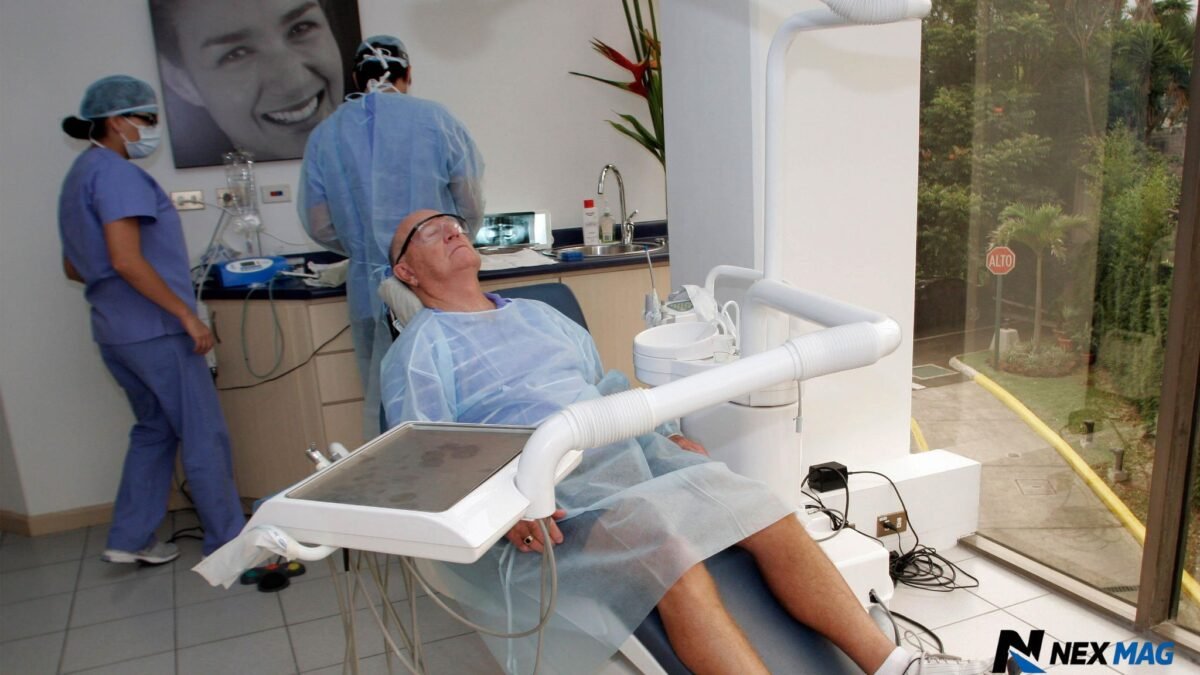
On paper, Helvetic Clinics tries to answer many of the questions international patients usually ask first. The clinic says it offers treatment planning with clear recommendations, no hidden costs, and communication designed to make the process easier to understand. Its site highlights free consultation, digital diagnostics as part of assessment, and a broad treatment range that includes oral surgery, bone replacement procedures, and dental implants.
From a patient perspective, those points matter more than flashy marketing. A clinic becomes easier to trust when it explains what it does, who it treats, and how the process begins. Helvetic Clinics also publishes patient reviews that emphasize calm explanations, modern equipment, and good language support for international visitors. Those are self-selected testimonials, so they should be read carefully, but they do tell you what the clinic believes patients care about most: communication, comfort, and predictability.
That is often the hidden difference between a stressful dental trip and a manageable one. Patients do not just want treatment. They want to know what will happen next.
How the implant journey usually works
A strong patient article should be honest about the fact that implants are rarely a one-visit fix. Major medical sources describe implant treatment as a staged process. Mayo Clinic outlines the usual sequence as tooth removal when needed, jawbone preparation or grafting in some cases, implant placement, healing time for bone growth, abutment placement, and then the final artificial tooth.
That sequence is important because expectations can drift if a clinic’s marketing sounds too simple. For many patients, the difficult part is not the surgery itself. It is the waiting. Guy’s and St Thomas’ NHS Foundation Trust says that after implant placement, patients usually wait at least three months before the implant can support replacement teeth. Cambridge University Hospitals notes that healing in the bone often takes three to six months and can take longer if grafting is needed.
Seen from a patient view, this changes the tone of the decision. You are not buying a product. You are entering a process. That process may include scans, temporary restorations, follow-up visits, and a return trip depending on the complexity of the case.
The consultation matters more than people expect
Good implant treatment starts well before the first surgical appointment. The GDC says a patient should be assessed by a qualified dentist before receiving a treatment plan and cost estimate, and that the clinician should ask for a full medical history. That includes general health, past illness, chronic conditions, smoking, and previous surgery or anaesthetic history.
Helvetic Clinics says its consultation is designed to identify the dental problem clearly and suggest the best solutions, while also adapting those solutions to patient preferences and possibilities. It also notes that digital images support the assessment but do not replace clinical expertise.
For patients, this is where the real quality test begins. A good consultation should make you feel more informed, not rushed. It should explain whether you are a straightforward implant candidate or whether gum disease, bone loss, or bite problems need attention first. It should also clarify whether the treatment plan is conservative, whether grafting is likely, and how long the whole course may take.
What comfort looks like in real life
Many people fear implant treatment because they imagine a harsh surgical experience. In practice, what patients usually notice first is not the drill or the procedure. It is the atmosphere. Is the team calm. Are explanations clear. Does someone answer practical questions without making you feel foolish.
Helvetic Clinics places strong emphasis on human connection, clarity, and helping patients know exactly what to expect. Its published patient feedback also mentions painless treatment, calm explanations, and minimal language barriers.
That does not prove every experience will be identical, but it does reflect something important. In implant care, comfort is partly clinical and partly relational. The best patient experiences often come from clinics that combine technical planning with steady communication.
The money question
Cost is one of the biggest reasons patients look at Hungary in the first place. Helvetic Clinics does not frame price as cheap dentistry. Instead, its pricing pages stress overall value, deliberate treatment planning, and recommending only the treatment a patient truly needs. It also states that consultation is free and that the final result should justify the money spent in terms of function and quality of life.
From a patient point of view, that language is sensible. The meaningful number is never just the implant fee. It is the total cost. That includes scans, extractions, bone grafts if needed, temporary teeth, final crowns, flights, hotel nights, meals, and possible follow-up care after you return home. The GDC specifically advises patients to ask what happens if they need additional treatment, whether remedial care is included, and who covers extra travel and accommodation if problems occur.
That is where smart patients slow down. A cheaper quote can become expensive very quickly if the plan is incomplete.
The good side of implants
When implant treatment goes well, the benefits can be significant. Dental implants are designed to replace missing teeth in a fixed and stable way. Helvetic Clinics describes implants as an advanced method for replacing missing teeth, based on placing a titanium implant into the jawbone and then using it for tooth replacement.
Long-term evidence on implants is also encouraging. The Association of Dental Implantology reports five-year survival rates above 97 percent for implant-supported prostheses in recent studies, with similarly strong long-term results for single crowns and fixed prostheses in many cases.
From the patient side, the appeal is simple. Implants can restore chewing confidence, improve stability compared with removable options, and help a smile feel natural again. They can also feel emotionally restorative. That matters more than many clinical brochures admit. When someone has spent years hiding a gap or avoiding certain foods, a stable result can feel like a return to normal life.
The risks that should be taken seriously
A trustworthy patient article cannot ignore the downsides. Implant treatment is well established, but it is still surgery. Some people need bone grafting. Some need more than one stage. Some are not ideal candidates at the beginning because of smoking, active gum disease, or poor bone support. NHS sources make clear that healing time can be months long, especially when grafting is involved.
There is also the issue of peri-implant disease. The European Federation of Periodontology says poor oral hygiene, a history of periodontitis, and smoking are among the most common causes of implant failure. It warns that peri-implant inflammation can progress to bone loss and loosening of the implant, and notes that in patients with periodontitis, around 22 percent of implants develop peri-implantitis.
For a patient considering treatment abroad, the practical risk is not just the procedure itself. It is continuity of care. If swelling, loosening, gum inflammation, or bite discomfort develops later, who will assess it quickly. That is why aftercare planning matters just as much as the surgery plan.
Is Helvetic Clinics the right fit for a patient?
From a patient view, Helvetic Clinics seems most suitable for someone who values structure. The clinic’s public messaging centers on clear plans, specialist care, broad treatment capability, and an international-patient experience. That can be reassuring for people who feel anxious about traveling for treatment or who want a clinic that appears used to handling cross-border cases.
At the same time, the right fit depends on the individual case. A single straightforward implant is different from full-mouth rehabilitation. A healthy non-smoker with strong bone support is different from someone with advanced gum disease or multiple failing restorations. The consultation should uncover that difference early.
The best patient mindset is neither suspicious nor starry-eyed. It is careful. Ask about the dentist’s implant experience. Ask which implant system will be used. Ask what is included in the quote. Ask how many visits are likely. Ask what aftercare looks like once you are back home. Those are not awkward questions. They are responsible ones. The GDC explicitly encourages patients to ask them.
Final thoughts
The phrase dental implants Hungary Helvetic Clinics attracts attention because it combines three things many patients want at once: affordability, established implant care, and a clinic that appears built around international trust. Hungary has a long reputation in dental tourism, and Helvetic Clinics presents itself as a structured, transparent option within that landscape.
From a patient view, the smartest conclusion is this: Helvetic Clinics may be worth considering, but only if the decision is made with clear eyes. Implants are not just about price or location. They are about diagnosis, planning, healing, hygiene, and long-term follow-up.
A good result can change daily life in very human ways. Eating becomes easy again. Smiling feels natural. Self-consciousness fades. But those outcomes are strongest when the choice is made carefully, the treatment plan is fully understood, and aftercare is taken just as seriously as the surgery itself.
FAQ
How long do dental implants usually take?
It depends on the case. Major clinical sources say implant treatment is often done in stages, and healing after implant placement typically takes at least three months, often three to six months, and sometimes longer if grafting is needed.
Why do patients choose Hungary for implants?
Research on dental tourism in Hungary points to value for money, strong dental training, European-level materials and equipment, and positive patient satisfaction as major reasons.
What should a patient ask before booking treatment abroad?
Ask about qualifications, regulation, treatment steps, success and complication rates, what is included in the quote, what aftercare is provided, and what happens if you need more treatment after returning home. These are all areas highlighted in GDC guidance for patients considering dental care abroad.
Are dental implants generally successful?
Yes, they have strong long-term outcomes in many cases. The Association of Dental Implantology reports five-year survival rates above 97 percent for implant-supported prostheses in recent studies, although outcomes still depend on case selection, hygiene, smoking, gum health, and maintenance.
