

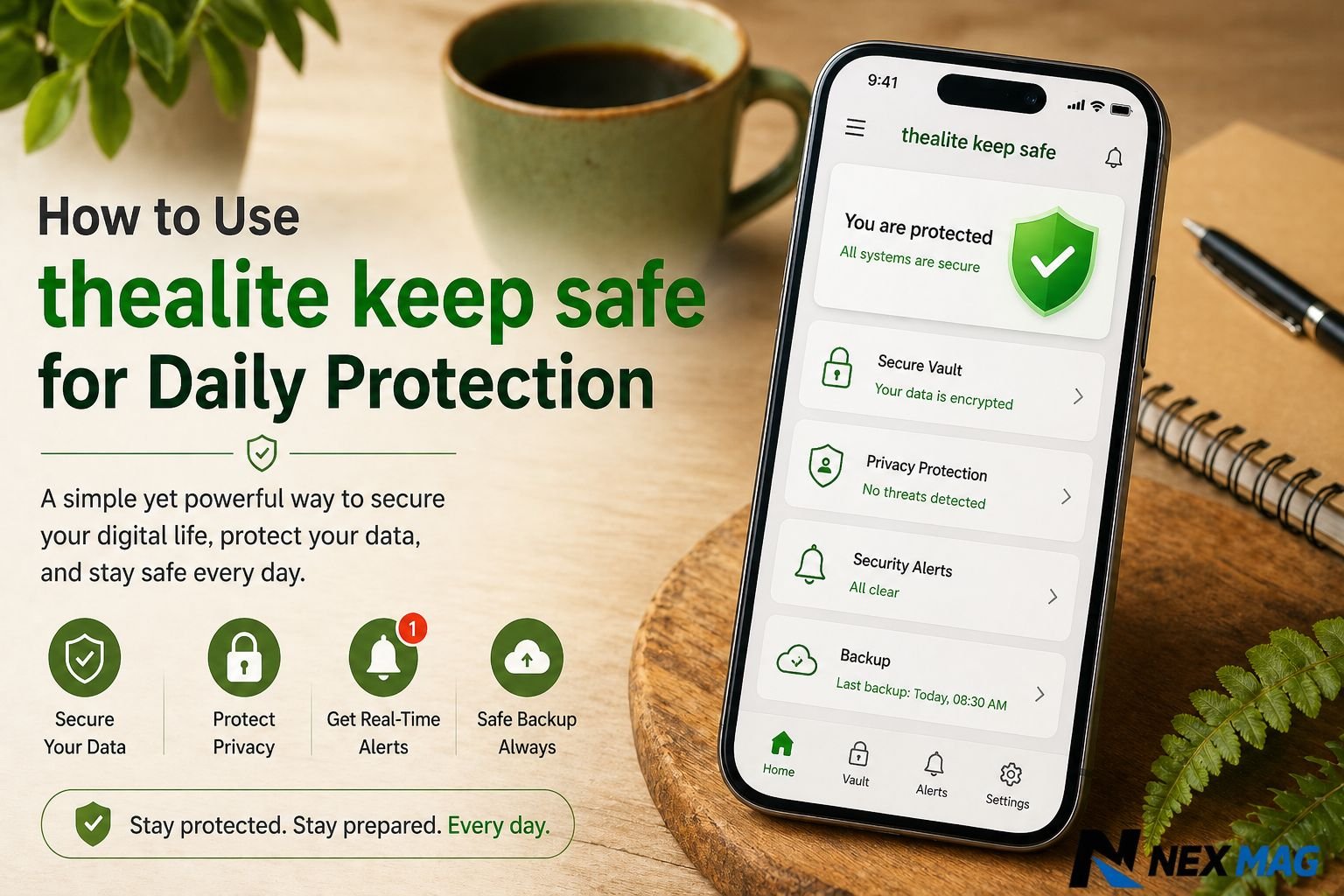
Daily safety is no longer only about locking your door or keeping your phone close. Today, protection also includes your passwords, private files, personal devices, online accounts, and the small habits that keep you out of trouble. This is where thealite keep safe becomes useful as a daily protection approach.
At its core, thealite keep safe is about building a simple, reliable safety routine. It can be understood as a modern protection tool or system focused on helping people secure important information, reduce risk, and stay more aware in everyday life. Public descriptions of thealite keep safe often connect it with digital safety, secure storage, alerts, and protection habits, while broader cybersecurity guidance supports many of the same practices: stronger authentication, safer passwords, privacy awareness, and careful handling of sensitive data.
BIO
| Label | Information |
|---|---|
| Name | thealite keep safe |
| Type | Digital safety and protection system |
| Purpose | Protect data and personal information |
| Main Use | Daily digital security and privacy |
| Key Feature | Secure storage for sensitive data |
| Security Level | Multi-layer protection approach |
| Access Method | Password and authentication based |
| Data Protection | Encryption and secure backup |
| User Type | Individuals and general users |
| Daily Benefit | Reduces risk of data loss or hacking |
| Common Use Area | Mobile devices and online accounts |
| Setup Difficulty | Simple and beginner friendly |
What Is thealite keep safe?
thealite keep safe can be described as a safety focused solution designed to help users protect what matters most. Depending on how it is used, that may include personal data, online accounts, important files, devices, or private information.
For everyday users, the value of thealite keep safe is simplicity. Many people know they should protect their information, but they delay it because security feels complicated. A good safety system should not make daily life harder. It should fit into normal routines and quietly reduce risk in the background.
Think of it as a daily protection habit. Just as you check your keys before leaving home, you can check your digital safety before starting the day. That means making sure your accounts are secure, your important files are protected, your devices are updated, and your private details are not exposed unnecessarily.
Why Daily Protection Matters
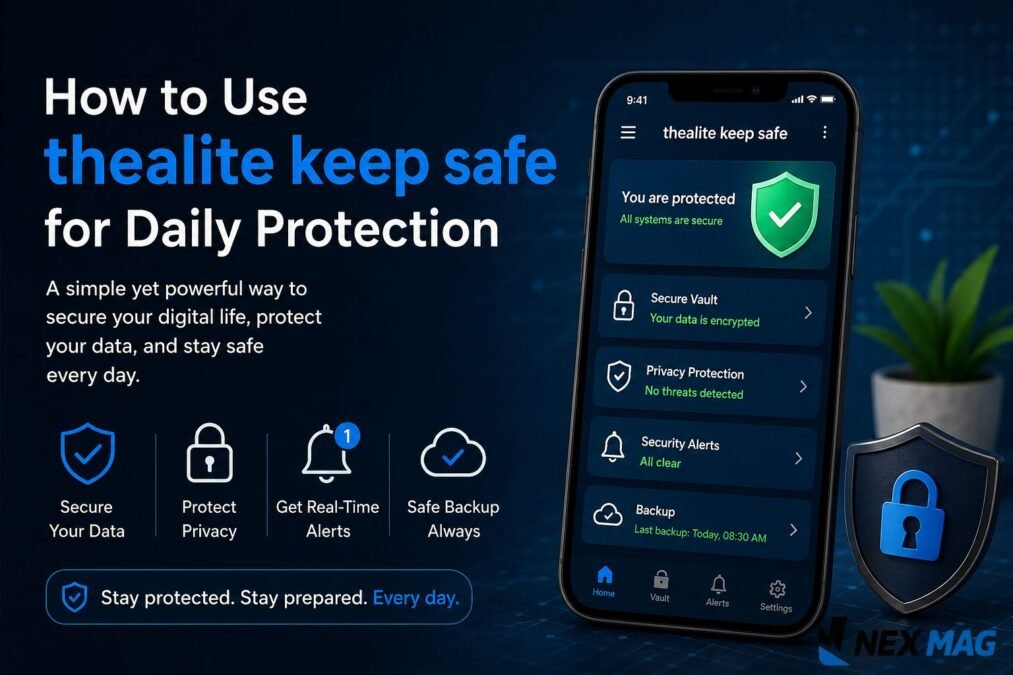
Most people do not think seriously about safety until something goes wrong. A lost phone, hacked account, suspicious email, stolen password, or leaked document can quickly create stress. Daily protection helps prevent these problems before they become serious.
Cybersecurity agencies strongly recommend using layered protection. CISA explains that multi-factor authentication adds an important layer of security because it requires more than just a password to access an account. According to CISA, accounts using MFA are far less likely to be hacked.
The FTC also warns that personal information is valuable to hackers and scammers. Names, passwords, banking details, email accounts, phone numbers, and identity documents can all be misused if they fall into the wrong hands. That is why daily habits matter.
thealite keep safe fits into this idea by encouraging users to be proactive instead of reactive. Rather than waiting for a problem, you create a routine that protects your information every day.
Start With a Simple Setup
The first step in using thealite keep safe for daily protection is setting it up properly. A rushed setup often leads to weak protection. Take time to understand what you want to protect and why it matters.
Start by listing your most important digital areas. These may include your email, banking apps, social media accounts, work files, cloud storage, personal photos, identity documents, and saved passwords.
Once you know what needs protection, organize it. Put important files in secure storage. Remove old documents you no longer need. Update weak passwords. Turn on account recovery options. Check which devices are connected to your accounts.
This first setup does not need to be perfect. The goal is to create a safer starting point. Protection improves when you make small, consistent changes.
Use Strong Password Habits
A strong password is still one of the most basic parts of digital protection. However, many people reuse the same password across several accounts. This is risky because if one account is exposed, other accounts may become vulnerable too.
When using thealite keep safe, create unique passwords for your important accounts. Avoid names, birthdays, phone numbers, simple words, or anything easy to guess. Longer passwords are usually better, especially when they use a mix of words or characters that are difficult for others to predict.
NIST’s digital identity guidance focuses on authentication and secure identity practices, which are central to protecting online accounts. In simple terms, your login method should prove that you are really the person accessing the account.
A password manager can also help because it stores complex passwords securely and reduces the temptation to reuse the same one everywhere. If thealite keep safe includes secure password or vault features, use them carefully and keep your master access details private.
Turn On Multi Factor Authentication
One of the best ways to use thealite keep safe for daily protection is to enable multi factor authentication wherever possible. MFA adds another step when logging in, such as a code, app approval, hardware key, or biometric check.
This matters because passwords can be stolen. A scammer may trick someone into entering a password on a fake page, or a password may appear in a data breach. MFA makes it harder for someone to access your account even if they know your password.
Use MFA on your email first. Your email is often the gateway to password resets, banking messages, work tools, and personal accounts. Then enable it on financial apps, cloud storage, social platforms, and any account connected to sensitive information.
For stronger protection, use an authenticator app or security key when available. SMS codes are better than no MFA, but they may not be the strongest option in every situation.
Protect Your Important Files
Daily protection is not only about accounts. It is also about files. Many people keep sensitive documents on their phone or laptop without thinking about what would happen if the device were lost or stolen.
Use thealite keep safe to organize and protect documents such as identity cards, financial records, medical documents, contracts, passwords, business files, and private photos. Keep only what you truly need. Delete duplicates and outdated files.
If secure storage or encryption is available, use it. Encryption helps protect data by making it unreadable to people who do not have the right access. This is especially useful for personal documents and work related files.
Also remember to back up important data. A backup protects you from accidental deletion, device failure, theft, or ransomware. Keep backups in a trusted location and check them occasionally to make sure they still work.
Watch for Phishing Attempts
Phishing is one of the most common ways people lose access to accounts. It happens when a scammer pretends to be a trusted company, bank, delivery service, employer, or support team. The goal is usually to steal your password, payment details, or personal information.
Use thealite keep safe as part of a careful browsing and messaging routine. Before clicking a link, pause. Look at the sender. Check for strange wording, urgent threats, unusual attachments, or requests for private information.
Scammers often create pressure. They may say your account will close, your payment failed, or you must act immediately. A calm pause can prevent a serious mistake.
The FTC advises people to protect personal information carefully and stay alert to hackers and scammers. This advice is practical for daily life because many attacks begin with simple messages that look ordinary at first.
Keep Devices Updated
Your phone, laptop, browser, and apps need regular updates. Updates often fix security weaknesses that attackers may try to exploit. Ignoring updates can leave your device exposed.
Make updates part of your thealite keep safe routine. Check your device settings and turn on automatic updates where possible. Update browsers, operating systems, security apps, and important tools.
Also remove apps you no longer use. Old apps may collect data, take up space, or create unnecessary risk. If you do not recognize an app, review it before keeping it.
A clean, updated device is easier to protect. It also runs better, which makes security feel less like a burden and more like normal maintenance.
Use Daily Safety Checks
A daily safety check does not need to take more than a few minutes. The key is consistency. Small checks help you notice problems early.
Each day, check for suspicious login alerts, unexpected password reset emails, unfamiliar devices connected to your accounts, unusual app permissions, and messages asking for sensitive information.
If thealite keep safe provides alerts or monitoring, review them regularly. Do not ignore warnings just because nothing bad has happened before. Security alerts are useful because they give you a chance to act early.
This habit is especially helpful for people who work online, manage business accounts, travel often, or store personal documents digitally.
Avoid Oversharing Personal Information
Daily protection also means being careful about what you share. Many people reveal too much online without realizing it. A birthday, address, school name, workplace, pet name, or family detail can sometimes help scammers guess passwords or answer security questions.
Use thealite keep safe with a privacy first mindset. Review your social media profiles. Limit public access to personal posts. Avoid posting documents, travel plans, tickets, ID cards, or screenshots that reveal private details.
Also be careful when using public Wi-Fi. Avoid logging into sensitive accounts on unknown networks unless you trust the connection and have proper protection in place.
Privacy is not about hiding everything. It is about controlling what others can see and use.
Build a Safer Routine at Work and Home
Many people use the same devices for both personal and work tasks. This can create risk if files, accounts, and passwords are mixed together without care.
Use thealite keep safe to separate personal and professional information. Keep work files in approved storage. Do not save business passwords in random notes. Avoid sending private documents through unsafe channels.
At home, teach family members simple safety habits too. Children, older adults, and less technical users are often targeted by scams because attackers expect them to respond quickly without checking.
A shared safety routine can include stronger passwords, safer browsing, regular updates, and careful handling of unknown messages.
Know What to Do If Something Goes Wrong
Even with good habits, problems can still happen. The important thing is to respond quickly.
If you think an account has been compromised, change the password immediately. Log out of all devices if the service allows it. Turn on MFA if it is not already active. Check recovery email addresses and phone numbers. Review recent activity.
If your device is lost, use tracking or remote lock features if available. If sensitive documents were stored on it, consider whether you need to update accounts, notify a bank, or replace identification documents.
If you receive a suspicious email or message, do not reply. Do not click links. Report it through the proper channel if available.
thealite keep safe works best when paired with a clear response plan. Protection is not only prevention. It is also knowing what to do next.
Common Mistakes to Avoid
One common mistake is relying on one security method. A password alone is not enough. A locked phone alone is not enough. A secure folder alone is not enough. Good protection uses layers.
Another mistake is ignoring small warning signs. An unusual login alert, a strange email, or a device you do not recognize should be checked. Small signs can point to a bigger issue.
People also make the mistake of storing everything forever. Old files, screenshots, expired documents, and unused accounts can create unnecessary exposure. Delete what you do not need and protect what you keep.
Finally, avoid treating safety as a one time setup. thealite keep safe should be part of daily life, not something you check once and forget.
Best Practices for Better Protection
Use thealite keep safe with a steady, practical routine. Start with your most important accounts. Secure your email, banking, cloud storage, and phone first. Then move to less critical accounts.
Use unique passwords. Turn on MFA. Keep devices updated. Store sensitive files safely. Review privacy settings. Watch for scams. Back up important data.
Do not chase complicated security habits that you cannot maintain. The best protection is the one you actually use every day.
A simple routine done consistently is better than an advanced setup ignored after one week.
Final Thoughts
thealite keep safe is useful because it encourages a smarter way to think about daily protection. It reminds users that safety is not only about emergency moments. It is built through small actions repeated every day.
When used properly, thealite keep safe can help protect accounts, files, devices, and personal information. More importantly, it can help you feel more prepared and less careless with your digital life.
Start small. Secure your most important accounts. Protect your private files. Turn on multi factor authentication. Stay alert to suspicious messages. Keep your devices updated.
Daily protection does not have to be stressful. With the right habits and a tool like thealite keep safe, safety becomes part of your normal routine, quiet, practical, and reliable.
FAQs
1. What is thealite keep safe used for?
thealite keep safe is used to protect personal data, accounts, and devices. It helps users stay secure in daily digital activities with simple safety practices.
2. Is thealite keep safe easy for beginners?
Yes, it is designed to be simple and user friendly. Even people with basic knowledge can use it without difficulty.
3. How often should I use thealite keep safe?
It is best used daily. Regular checks and habits help maintain strong and consistent protection.
4. Does thealite keep safe protect against hackers?
It reduces the risk by improving password security, alerts, and data protection. No system is perfect, but it adds strong defense layers.
5. Can I use thealite keep safe on multiple devices?
Yes, it can be used across phones, laptops, and other devices to keep your data secure everywhere.
