

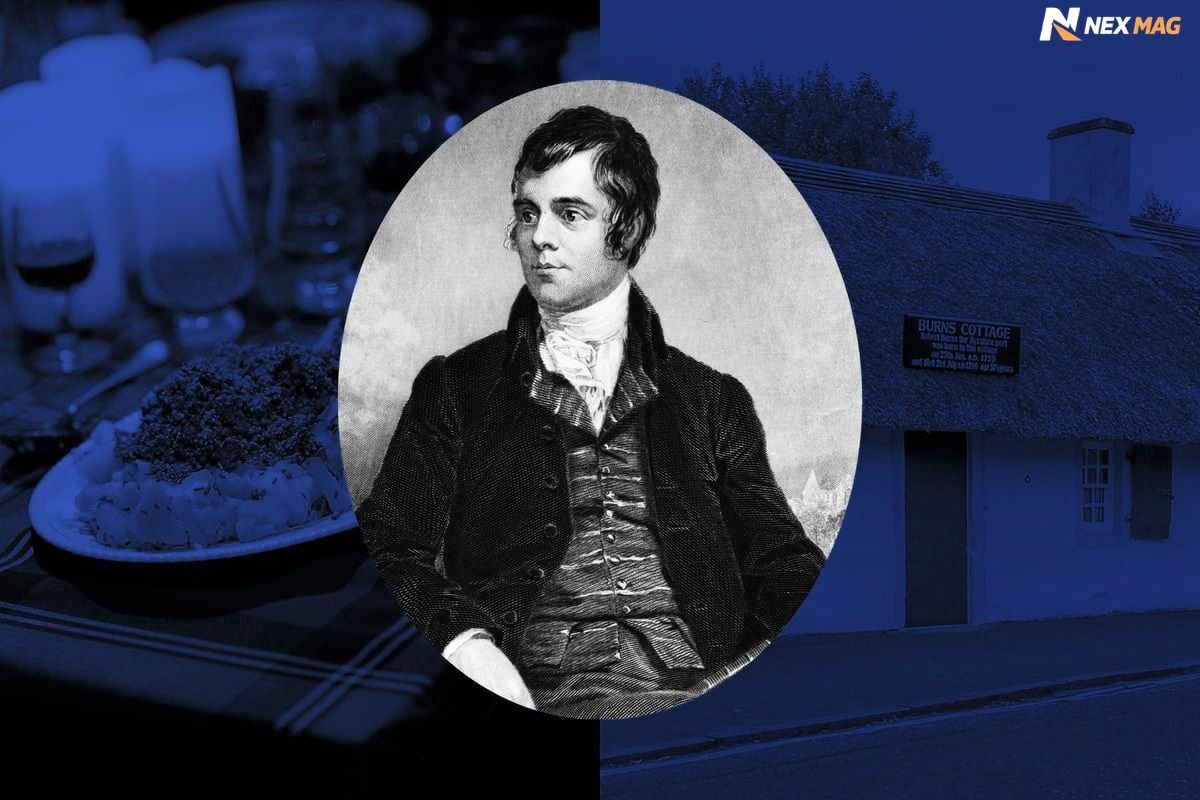
Every year on 25 January, people gather around dining tables to enjoy Scottish food, poetry, music and good company. This celebration is known as Burns Night, an occasion dedicated to the life and literary legacy of Scotland’s national poet, Robert Burns.
Burns Night 2026 fell on Sunday, 25 January 2026. While the celebration is closely associated with Scotland, Burns suppers now take place in many parts of the world. Some are formal dinners with speeches, bagpipes and carefully observed customs. Others are relaxed evenings among friends, featuring homemade food, poetry readings and Scottish music.
The occasion has survived for more than two centuries because it offers more than a ceremonial meal. It celebrates language, friendship, equality, humour and cultural memory. These themes remain meaningful even for guests who have never visited Scotland or read a complete volume of Burns’s poetry.
BIO
| Label | Information |
|---|---|
| Event Name | Burns Night 2026 |
| Celebration Date | 25 January 2026 |
| Honours | Robert Burns |
| Born | 25 January 1759 |
| Event Type | Scottish cultural celebration |
| Main Purpose | Celebrate Burns’ life and poetry |
| Country of Origin | Scotland |
| Traditional Meal | Haggis, neeps and tatties |
| Famous Traditions | Burns Supper, poetry, toasts and music |
| Popular Song | Auld Lang Syne |
| Common Activities | Poetry readings, bagpipes and ceilidh dancing |
| Global Celebration | Observed in Scotland and many countries worldwide |
What Is Burns Night?
Burns Night is an annual celebration of Robert Burns, who was born on 25 January 1759. The centrepiece of the occasion is usually a Burns Supper, a meal that combines traditional Scottish dishes with readings, speeches, songs and toasts.
A formal supper follows an established order. Guests are welcomed, a grace is delivered, and the haggis is carried into the room with ceremony. Burns’s poem “Address to a Haggis” is recited before the meal begins. Later, speakers discuss the poet’s life, perform his work and raise humorous or thoughtful toasts.
Not every celebration follows the complete programme. A family may simply prepare haggis, neeps and tatties before reading a favourite poem. A school may introduce children to Scots words and Scottish music. A restaurant might create a modern menu inspired by traditional ingredients.
The scale can change, but the purpose remains the same: to remember Burns and enjoy the culture reflected in his writing.
When Was Burns Night 2026?
Burns Night is always observed on 25 January, the anniversary of Robert Burns’s birth. In 2026, the official date was Sunday, 25 January.
Many organised celebrations were held on the nearest convenient weekend, while others took place during the days surrounding the anniversary. Cultural organisations, hotels, restaurants, universities and Scottish societies often arrange Burns-related events throughout January.
The fixed date makes Burns Night easy to remember. It also gives people something warm and sociable to enjoy during the colder part of the year. Candlelight, comforting food, lively conversation and traditional music all contribute to its distinctive atmosphere.
Although it is an important cultural occasion, Burns Night is not generally treated as a UK-wide public holiday. Businesses and schools usually operate normally unless the date falls on a weekend or a local organisation has planned a special event.
Who Was Robert Burns?
Robert Burns was born in Alloway, Ayrshire, into a farming family. His father, William Burnes, worked as a tenant farmer and placed great importance on education. Although the family faced financial hardship, Burns developed a strong interest in literature, music, local speech and traditional songs.
He wrote in both English and Scots. That combination helped him reach different audiences while preserving the rhythms and expressions of ordinary Scottish life. His poems explored love, nature, hardship, politics, social class, friendship and human dignity.
Among his best-known works are “A Red, Red Rose,” “To a Mouse,” “Tam o’ Shanter,” “Address to a Haggis” and “A Man’s a Man for A’ That.” He is also strongly connected with “Auld Lang Syne,” which is sung around the world at New Year and other moments of farewell or reunion.
Burns died in Dumfries on 21 July 1796, aged only 37. Despite his short life, his work became a lasting part of Scottish national culture. His poems are still read because they combine humour, emotion and social observation with memorable language.
The First Burns Supper
The tradition began after Burns’s death. In July 1801, a small group of his friends gathered at Burns Cottage in Alloway to remember him. The meal included haggis, readings of his work and a speech honouring his life.
That first gathering contained several features that later became central to the modern Burns Supper. Guests recited “Address to a Haggis,” sang Burns’s songs and shared memories of the poet. A toast celebrating his life developed into what is now known as the Immortal Memory.
The original dinner was held on the anniversary of Burns’s death. However, the organisers later confirmed his correct birth date and moved the celebration to 25 January.
During the nineteenth century, Burns clubs and Scottish societies helped formalise the event. As Scots migrated to other countries, they carried the tradition with them. Burns suppers became established in Canada, the United States, Australia, New Zealand and many other places.
What began as a private gathering among friends gradually developed into an international celebration of Scottish literature and identity.
Why Burns Night Matters
Burns Night keeps poetry connected to everyday life. His work is not presented as something distant or restricted to academic study. It is spoken aloud, sung, discussed and shared around a dinner table.
The celebration also protects the visibility of the Scots language. Many of Burns’s most memorable lines use vocabulary and pronunciation that may be unfamiliar to modern readers. Hearing the poems performed can make their rhythm, humour and emotional force easier to understand.
Another reason for the occasion’s enduring appeal is the humanity of Burns’s writing. He wrote sympathetically about ordinary workers and questioned social divisions. Poems such as “A Man’s a Man for A’ That” express the belief that personal worth should not be measured by wealth, rank or status.
Burns Night therefore represents more than nostalgia. It can be a celebration of equality, friendship, honest expression and respect for cultural heritage.
The Traditional Welcome
A Burns Supper normally begins with guests gathering for drinks and conversation. At a formal event, a bagpiper may welcome people as they arrive. At smaller gatherings, recorded Scottish folk music can create a similar atmosphere.
Once everyone is seated, the host gives a short welcome. The introduction should explain the purpose of the evening without becoming overly serious. Burns’s personality and poetry included wit, warmth and mischief, so a successful supper usually balances respect with enjoyment.
The host may also introduce the speakers and provide a simple outline of the programme. This is particularly helpful when some guests are attending their first Burns Night.
The Selkirk Grace
Before the meal, someone traditionally recites the Selkirk Grace. It is a brief thanksgiving written in Scots and commonly associated with Robert Burns.
The words acknowledge that some people have food but cannot eat, while others wish to eat but have no food. The final lines express gratitude for having both food and the ability to enjoy it.
Although the grace is strongly linked with Burns, versions of it were known before his lifetime. Tradition holds that Burns delivered it at a dinner connected with the Earl of Selkirk, which helped establish its familiar name.
Its brevity makes it suitable for both formal and informal events. More importantly, its message of gratitude provides a thoughtful beginning to the meal.
The Haggis Ceremony
The entrance of the haggis is one of the most recognisable Burns Night traditions. Guests usually stand as the dish is carried into the room. A piper may lead the procession while the chef or another participant carries the haggis on a platter.
Once it reaches the table, a speaker recites “Address to a Haggis.” Burns wrote the poem in 1786, praising the dish with exaggerated dignity and humour. During the performance, the speaker traditionally cuts into the haggis at the appropriate moment.
A dramatic delivery can make this ceremony entertaining even for guests who do not understand every Scots word. Hosts may provide printed copies or a plain-English explanation, allowing everyone to follow the meaning.
The performance ends with applause and a toast to the haggis. The meal can then be served.
The Traditional Menu
The best-known Burns Night dish is haggis, traditionally made with sheep’s offal, oatmeal, onion, seasoning and suet. Modern commercial versions are usually prepared in a casing and sold ready to cook.
Haggis is commonly served with neeps and tatties. Tatties are mashed potatoes, while neeps generally refer to mashed swede in Scotland. Together, the three foods create a simple, rich and comforting main course.
A formal menu may begin with Scotch broth, cock-a-leekie soup or Cullen skink. Dessert choices include cranachan, shortbread, clootie dumpling or a Scottish-style trifle. Oatcakes and cheese may follow.
Whisky is traditionally used for toasts, but it is not compulsory. Non-alcoholic drinks, sparkling water or alcohol-free whisky alternatives allow every guest to participate comfortably.
Vegetarian and vegan haggis have also become widely accepted. These versions commonly use oats, lentils, beans, vegetables, seeds and spices. They retain the savoury character of the dish while making the meal accessible to more people.
The Immortal Memory
After dinner, the main speech of the evening is delivered. Known as the Immortal Memory, it reflects on Robert Burns’s life, personality, work and continuing influence.
A strong Immortal Memory should not sound like a dry biography. The speaker might focus on one aspect of Burns, such as his views on equality, his relationship with nature, his love poetry or his skill in collecting traditional songs.
The speech can acknowledge his faults as well as his achievements. Burns was a complex person, and modern audiences often appreciate an honest account rather than an idealised portrait.
The speaker usually concludes by inviting guests to raise their glasses to the immortal memory of Robert Burns.
The Traditional Toasts
The Toast to the Lassies originally thanked the women who had prepared the meal. Over time, it developed into a humorous speech about relationships, love and the women appearing in Burns’s life and poetry.
The Reply from the Lassies answers the earlier toast. It often uses humour to challenge its observations and offer another perspective on Burns, romance or modern relationships.
These speeches should be playful rather than insulting. Old-fashioned stereotypes can make guests uncomfortable and do not reflect the welcoming purpose of a modern celebration. Good speakers use intelligence, warmth and self-awareness instead of relying on tired jokes.
Many events now adapt the names or format of the toasts to suit their audience. The goal is friendly exchange, not rigid performance.
Poetry and Music
Readings of Burns’s poems are essential to many suppers. A performer might choose the comic energy of “Tam o’ Shanter,” the tenderness of “A Red, Red Rose” or the compassion found in “To a Mouse.”
The poems are most effective when recited with feeling. Perfect pronunciation is less important than understanding the mood and communicating it clearly. A short explanation before the reading can help guests follow unfamiliar Scots vocabulary.
Music may include Burns songs, traditional fiddle tunes, bagpipe pieces or contemporary Scottish performers. Larger events sometimes hold a ceilidh after dinner, giving guests an opportunity to enjoy social dancing.
The evening often closes with everyone joining hands to sing “Auld Lang Syne.” Its themes of memory and enduring friendship make it a natural conclusion.
Modern Celebration Ideas
A modern Burns Night does not have to copy every detail of a formal supper. Hosts can preserve the spirit of the occasion while designing an event that suits their guests.
One approach is to create a tasting menu with smaller portions of Scottish dishes. Haggis can be served in pastry bites, on toasted oatcakes or alongside roasted vegetables. Cranachan can be presented in individual glasses, while whisky can be offered as an optional tasting rather than the main drink.
Another idea is to organise a relaxed poetry evening. Each guest can bring a favourite Burns poem, Scottish song or piece of writing inspired by themes such as friendship, nature or equality.
A Burns Night quiz can introduce the poet’s life in an accessible way. Questions might cover his birthplace, famous poems, Scots vocabulary and the origins of the first supper.
For a more personal event, guests can share stories about their own Scottish heritage, family traditions or memorable visits to Scotland. This reflects the communal character of Burns Night without requiring specialist knowledge.
Family Celebrations
Burns Night can be adapted easily for children. The meal can be served earlier, speeches can be shortened and alcohol can be removed entirely.
Children may enjoy creating tartan-inspired paper decorations, drawing scenes from “To a Mouse” or learning simple Scots words. A dramatic reading of a shorter poem can help them experience the sound of Burns’s language.
Families can also prepare the meal together. Mashed potatoes, mashed swede and a vegetarian haggis offer manageable cooking tasks for different ages.
The aim should not be to reproduce a formal adult dinner. A family celebration works best when it is lively, understandable and interactive.
Decorating the Table
Tartan is the most obvious decorative choice, but it should be used thoughtfully. A tartan runner, napkins or ribbon can add Scottish character without overwhelming the table.
Candles create warmth, while natural materials such as wood, heather-style flowers and greenery complement the traditional menu. Printed cards featuring brief lines from Burns can be placed at each setting.
Hosts do not need to purchase an expensive matching tartan. Scottish tartans have historical and family associations, and randomly labelling a pattern as belonging to a particular clan may be inaccurate. A simple tartan-inspired design is perfectly suitable for an informal gathering.
Scottish flags, vintage poetry books and framed images of Burns can also be used, provided the table remains comfortable and uncluttered.
What to Wear
Formal Burns suppers may specify black tie, Highland dress or evening wear. Guests who own a kilt may choose to wear it, but a kilt is not a general requirement.
For a dinner at home, smart-casual clothing is appropriate. A tartan scarf, tie, skirt or pocket square can introduce a Scottish element without creating unnecessary expense.
The invitation should explain the expected dress code clearly. Guests should never feel pressured to wear clothing connected with a clan or tradition they do not understand.
Comfort and respect matter more than achieving a theatrical version of Scottish identity.
Celebrations Worldwide
Burns Night has become international partly because of the Scottish diaspora. Scottish societies, universities, cultural groups and expatriate communities organise suppers across Europe, North America, Asia and the Pacific.
Events outside Scotland often combine established customs with local ingredients and entertainment. A supper in Canada may highlight the country’s Scottish history, while an event in another region may pair haggis with local produce.
Online celebrations have expanded participation further. People can join poetry readings, lectures, cooking demonstrations and musical performances without travelling.
This worldwide reach shows that Burns’s appeal is not limited by geography. His writing about love, dignity, hardship and friendship can be understood across cultures.
Common Misunderstandings
Burns Night is not only for Scottish people. Anyone who approaches the occasion with interest and respect can participate.
Eating meat-based haggis is also not compulsory. Vegetarian and vegan versions are now common at both private and organised suppers.
Guests do not have to speak Scots, memorise poetry or wear Highland dress. Translations and introductions can make the programme welcoming to newcomers.
The evening does not need to be solemn. Burns wrote with humour and energy, and laughter has always had a place at the supper table.
Finally, there is no single compulsory format. The formal order provides a valuable structure, but smaller celebrations can select the traditions that are meaningful and practical for them.
Hosting Tips
Begin planning by deciding whether the evening will be formal or relaxed. This choice affects the menu, invitations, clothing, speeches and entertainment.
Share responsibilities among several people. One guest can deliver the Address, another can prepare the Immortal Memory, and someone else can organise music or a quiz.
Provide performers with their material in advance. Burns’s Scots can be challenging, and preparation makes readings more confident and enjoyable.
Ask guests about dietary requirements before finalising the menu. Offer a vegetarian main course and suitable non-alcoholic drinks rather than treating them as last-minute alternatives.
Keep the programme moving. Speeches should be meaningful but reasonably brief, especially when several readings and toasts are planned.
Most importantly, create an atmosphere in which newcomers feel welcome. A few simple explanations can transform unfamiliar rituals into memorable experiences.
Conclusion
Burns Night 2026 offered an opportunity to celebrate one of Scotland’s most influential writers through food, poetry, music and companionship. Its traditions connect modern participants with the friends who organised the first memorial supper more than two centuries ago.
The piping of the haggis, the Immortal Memory and the singing of “Auld Lang Syne” remain powerful customs. Yet Burns Night continues to thrive because it can evolve. Vegetarian menus, inclusive toasts, family activities and online performances allow new audiences to take part without losing the occasion’s cultural heart.
Whether celebrated in an elegant hall or around a family dining table, Burns Night is ultimately about shared humanity. It honours a poet who found dignity in ordinary life and whose words continue to bring people together.
That combination of heritage, warmth and friendship ensures that the spirit of Robert Burns remains very much alive.
Frequently Asked Questions
What was the date of Burns Night 2026?
Burns Night 2026 was celebrated on Sunday, 25 January 2026. The occasion is held on the same date every year to mark the birthday of Scottish poet Robert Burns.
Why is Burns Night celebrated?
Burns Night honours the life, poetry and cultural influence of Robert Burns. It also celebrates Scottish heritage through traditional food, music, speeches and poetry readings.
What food is served at a Burns Supper?
The traditional main course is haggis served with neeps and tatties, meaning mashed swede and potatoes. Popular desserts include cranachan, shortbread and clootie dumpling.
Do guests have to wear a kilt?
No, wearing a kilt is not required. Guests can wear formal, smart-casual or tartan-inspired clothing depending on the dress code of the Burns Night event.
Can Burns Night be celebrated outside Scotland?
Yes. Burns Night celebrations are held worldwide by Scottish communities, cultural groups, restaurants, universities and families interested in Robert Burns and Scottish traditions.
