

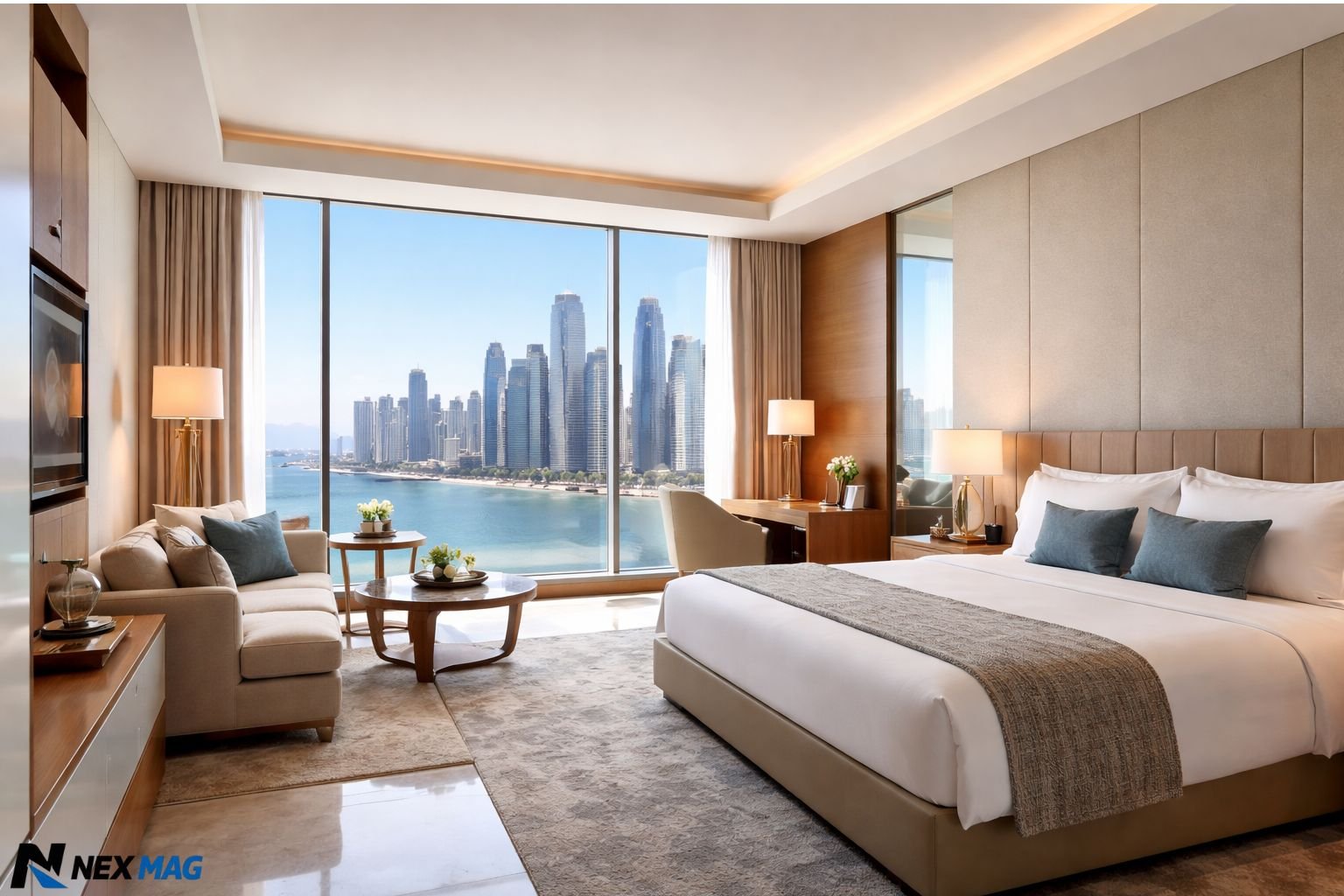
Getting a better hotel room is not always about luck. In many cases, it comes down to timing, how you book, what you ask for, and whether the hotel has a practical reason to favor your reservation over someone else’s. That is where hotels travel tweaks become useful. They are not gimmicks. They are small, sensible moves that improve your odds of getting a quieter room, a better view, a higher floor, more space, or sometimes even a complimentary upgrade.
A lot of travelers assume the front desk simply hands out rooms at random. That is not really how it works. Hotels balance availability, housekeeping progress, loyalty benefits, room categories, late check out requests, and operational priorities throughout the day. Major hotel groups also openly state that perks such as room upgrades, late checkout, member rates, and some room selection benefits are tied to direct booking and loyalty membership, often subject to availability.
The good news is that you do not need elite status or a luxury budget to improve your chances. A smarter booking and check in strategy can make a noticeable difference. Below are 10 hotels travel tweaks that can help you get better rooms more consistently, followed by a few common mistakes that often work against travelers.
BIO
| Tip | Quick Insight |
|---|---|
| Book Direct | Better chances for upgrades and flexibility |
| Join Loyalty Program | Free perks and priority treatment |
| Choose Room Type Wisely | Small upgrades can improve location |
| Check-In Timing | Mid to late check-in works best |
| Avoid Peak Dates | More availability = better rooms |
| Ask Politely | Simple requests can go a long way |
| Be Specific | Ask for quiet, high floor, or better view |
| Use Hotel Apps | Set preferences before arrival |
| Mention Occasions | Real events can sometimes help |
| Stay Friendly | Good attitude improves experience |
| Plan Ahead | Early requests increase chances |
| Stay Flexible | Availability always matters |
Why room quality is not purely random
Before getting into the list, it helps to understand what “better room” means from a hotel’s perspective. A better room may not always be a suite. Sometimes it is simply a room that feels calmer, newer, brighter, farther from the elevator, or better positioned in the building. Hotels usually have inventory differences even within the same category, so two “standard king” rooms can feel very different in practice.
Hotels also assign rooms around operational realities. Early arrival does not guarantee the best available room because the hotel may still be waiting on housekeeping, or holding back inventory for elite members, special requests, or same day movement within the hotel. Hilton, Marriott, Hyatt, and IHG all note in one form or another that early or late check in and some related room access requests depend on availability.
Start with the booking
1. Book direct when possible
One of the most reliable hotels travel tweaks is also the simplest: book directly through the hotel’s own site or app when the price makes sense. Major hotel brands openly promote direct booking advantages such as member rates, best rate guarantees, fewer fees in some cases, and easier access to loyalty perks. Marriott, Hilton, Hyatt, and IHG all advertise direct booking as the preferred path for rates or benefits.
Why does that matter for room quality? Because a direct booking usually gives the hotel more flexibility to work with your reservation. If you call ahead to note a preference, ask about a quiet floor, or request a better positioned room, the staff often has more room to help when the booking sits inside their own system rather than through a strict third party channel.
This does not mean online travel agencies are always bad. They can be useful for price comparison. But if you are serious about getting the best room possible, direct booking often gives you a cleaner line of communication with the property.
2. Join the loyalty program even if you travel rarely
Many travelers skip free hotel memberships because they think loyalty programs only matter for frequent business travelers. That is a mistake. Even the entry level often unlocks member pricing, and higher tiers across major brands can include late checkout, preferred rooms, upgrades, or other on property benefits. Marriott, Hilton, Hyatt, and IHG all outline tier based benefits tied to their programs, with some room related benefits explicitly subject to availability.
Even when your status is basic, membership still signals that you are in the hotel’s ecosystem. That does not guarantee anything, but it can nudge your reservation out of the purely anonymous bucket. If a front desk agent has two similar arrivals and only one has a member profile with preferences attached, that can help.
This is one of the most practical hotels travel tweaks because it costs nothing but a few minutes to sign up.
3. Book the room type strategically
Not all entry level rooms are equal. Sometimes the smallest jump in category puts you into a much better part of the property. A “deluxe” room may be the same square footage as standard but sit on a higher floor or in a quieter wing. A “city view” room may avoid a mechanical courtyard. A “premium” label can sound vague, but the real value often comes from location rather than décor.
When you compare room types, do not only look at bed count and photos. Read the details carefully and look for clues about floor level, view, corner placement, renovation status, or lounge access. If the upgrade cost is modest, paying a little more upfront can produce a much better stay than gambling on a complimentary upgrade later.
Use timing to your advantage

4. Do not chase the earliest check in unless you need it
This surprises many travelers. Arriving very early can sometimes reduce your options instead of improving them. Official hotel guidance repeatedly notes that early check in is not guaranteed and depends on what is ready. Marriott says a requested early arrival time cannot be guaranteed. Hilton says early check in availability varies by location. Hyatt property policies also note that early check in is heavily affected by occupancy, room type availability, and other factors.
In plain terms, if you show up long before standard check in, the front desk may only have a smaller slice of inventory cleaned and released. That can limit your shot at the best located room. Unless you genuinely need immediate access, a more balanced arrival window can help. Mid to late afternoon often gives the hotel more inventory to work with after housekeeping turnover and same day adjustments.
This is one of the most overlooked hotels travel tweaks because travelers naturally assume earlier is always better. Operationally, that is not always true.
5. Avoid the busiest dates when you can
Upgrades and better room assignments become much harder when the hotel is near full occupancy. If you are traveling on a major holiday weekend, a conference week, or a sold out Saturday night, the hotel simply has less flexibility. Even elite benefits at major chains are often framed around availability, especially for room upgrades and certain checkout perks.
If your plans allow it, shift by a day or two. Sunday through Thursday nights in many business heavy cities can behave differently than peak leisure nights, while shoulder season travel often gives the hotel more breathing room. More empty inventory usually means more opportunity for better room placement.
Ask better, not louder
6. Ask for a specific improvement, not “any upgrade”
A vague request is easy to decline. A specific request is easier to fulfill. Instead of saying, “Do you have any upgrades,” try something like, “If possible, I’d love a quiet room away from the elevator,” or, “If anything is available on a higher floor, that would be wonderful.”
This approach works because it sounds reasonable and gives the staff something concrete to solve. In many properties, a quieter room or better view is much easier to assign than a suite. And from the guest’s perspective, it may improve the stay just as much.
There is also a practical sleep benefit to this. Travel advice from Condé Nast Traveler and other long running hotel guidance has noted that rooms away from elevators and heavy hallway traffic can reduce noise exposure.
Good hotels travel tweaks are rarely dramatic. Often they are just more precise.
7. Be warm and professional at the desk
Front desk work is repetitive, fast paced, and often stressful. People remember the guest who arrives calm, polite, and easy to deal with. That does not mean fake charm or manipulation. It means basic courtesy, patience, and clarity.
Hotel staff cannot always bend policy, but they often have discretion within what is available. A traveler who is pleasant and respectful is simply easier to help. That matters most when the difference between one room and another is not huge and the agent has some freedom in assignment.
This is not about dressing expensively or trying to “look important.” It is about making the interaction smooth. A kind tone and a short, respectful request can go further than a pushy demand.
8. Mention real occasions carefully
If you are traveling for an anniversary, birthday, honeymoon, or other genuine milestone, it is completely fair to mention it. Some hotels may do nothing. Others may offer a better view, a nicer room placement, or a small amenity if inventory allows.
The key word is genuine. Hotels hear every trick in the book. A real occasion, mentioned once and without expectation, can add context to your stay. A fake or exaggerated story usually does the opposite. It is better to say, “We’re celebrating our anniversary, so if there’s a room with a nicer view available, we’d really appreciate it,” than to act as though the hotel owes you something special.
This works best as a light touch, not as your main strategy.
Use hotel systems, not just charm
9. Add preferences before arrival
Many hotel apps and member profiles allow guests to store room preferences or request arrival related options. Hilton specifically notes that guests may be able to choose their room in advance at participating hotels, with availability varying by location. Marriott, Hyatt, and IHG also describe member benefits and request based options tied to check in and checkout.
That means one of the smartest hotels travel tweaks is to act before you reach the lobby. Use the app if available. Call the property a day or two ahead if you have a meaningful preference. Keep the request simple: quiet room, high floor, away from elevator, recently renovated room, or one particular side of the building if you know the layout.
The earlier your preference enters the system, the better your odds that someone can plan around it rather than improvise at check in.
10. Follow up at the right moment
The best time to ask is often at check in, but the best way is to sound flexible. For example: “I know it depends on availability, but if there’s a quieter or better positioned room, I’d really appreciate it.” That wording shows you understand the limits while still making the request clear.
If the answer is no, accept it gracefully. Sometimes the room can be changed later in the day after more inventory clears. Sometimes nothing better exists. But a calm guest who handles the first answer well is more likely to get help if an option opens up later.
That is the pattern behind many successful hotels travel tweaks: timing, specificity, and a sense of proportion.
Small mistakes that lower your chances
A few habits often work against travelers without them realizing it.
The first is focusing only on “free upgrade” language. Better rooms are not always labeled as upgrades. Sometimes the win is a quieter floor, a renovated room, or better placement within the same category.
The second is arriving at the desk with a confrontational tone. That almost never helps.
The third is assuming that every third party booking will receive the same flexibility as a direct reservation. In some cases it will, but in many cases the hotel has more control over direct bookings and loyalty linked stays. Major brands clearly tie many perks and guarantees to direct channels or member status.
The fourth is ignoring availability. Even the best request may not work on a sold out night. That is not a failure of strategy. It is just hotel math.
The real takeaway
The most effective hotels travel tweaks are not flashy. They are practical. Book direct when it makes sense. Join the loyalty program. Choose your room category carefully. Avoid very early arrival unless you need it. Ask for specific improvements. Put your preferences into the system before you travel. Treat the staff with warmth and respect.
None of these moves guarantees a suite. That is not the point. The point is to improve your odds of getting a room that feels better in the ways that actually matter: quieter, more comfortable, better located, and more enjoyable for the stay you are paying for.
Over time, these small habits add up. And once you start using them consistently, getting a better room stops feeling random.
Sources consulted
Marriott, Hilton, Hyatt, and IHG official pages on direct booking, loyalty benefits, upgrades, and check in or checkout policies; plus reporting and hotel guidance from The Points Guy, Consumer Reports, Forbes, and Condé Nast Traveler.
FAQs About Hotels Travel Tweaks
Do hotels really give free room upgrades?
Yes, hotels do offer free upgrades, but they are usually based on availability, timing, and guest profile. Loyalty members, direct bookings, and polite requests can increase your chances, but nothing is guaranteed.
What is the best time to ask for a better room?
The best time is during check-in when the front desk has a clearer picture of available rooms. Mid to late afternoon often works better than very early arrivals.
Are hotel loyalty programs worth it for occasional travelers?
Absolutely. Even basic membership can unlock small perks like better rates, priority room assignment, and the chance of upgrades. It costs nothing to join and can improve your stay.
Does booking directly with the hotel really matter?
Yes, direct bookings often give you more flexibility and better chances for upgrades or special requests. Hotels also tend to prioritize guests who book through their official channels.
Can I request a specific type of room in advance?
Yes, most hotels allow you to add preferences during booking or through their app. While not guaranteed, early requests improve your chances of getting a better room.
