

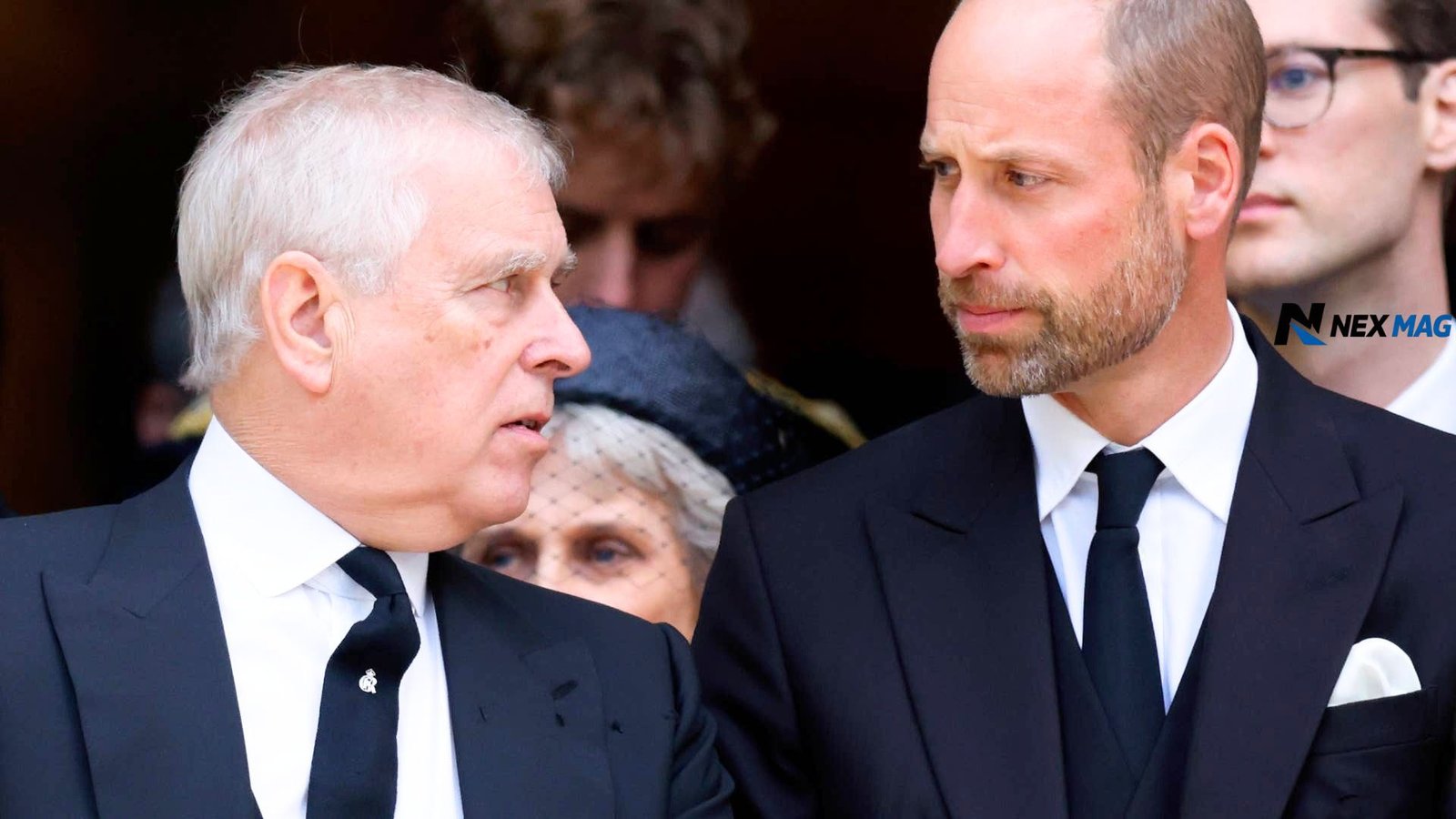
Prince Andrew news continues to attract strong attention because his story is no longer only about one royal figure. It has become part of a wider conversation about accountability, public trust, royal finances, and the future image of the British monarchy.
In recent years, Andrew’s public role has changed dramatically. Once known as the Duke of York and a senior member of the Royal Family, he is now largely separated from official royal life. The latest updates show how far his position has shifted and why the subject remains sensitive for Buckingham Palace, the British public, and royal watchers around the world.
BIO
| Label | Information |
|---|---|
| Topic | Prince Andrew News |
| Full Name | Prince Andrew, Duke of York (former title) |
| Current Status | Non-working member of the Royal Family |
| Family | Younger brother of King Charles III |
| Nationality | British |
| Known For | Former senior royal and naval service |
| Main News Focus | Royal status, public role, and recent developments |
| Royal Duties | No longer performs official royal duties |
| Public Interest | High due to ongoing royal coverage |
| Key Issues | Royal titles, residence, and public scrutiny |
| Related Institution | British Royal Family |
| Article Purpose | Explain the latest updates and their significance |
Who Is Prince Andrew?
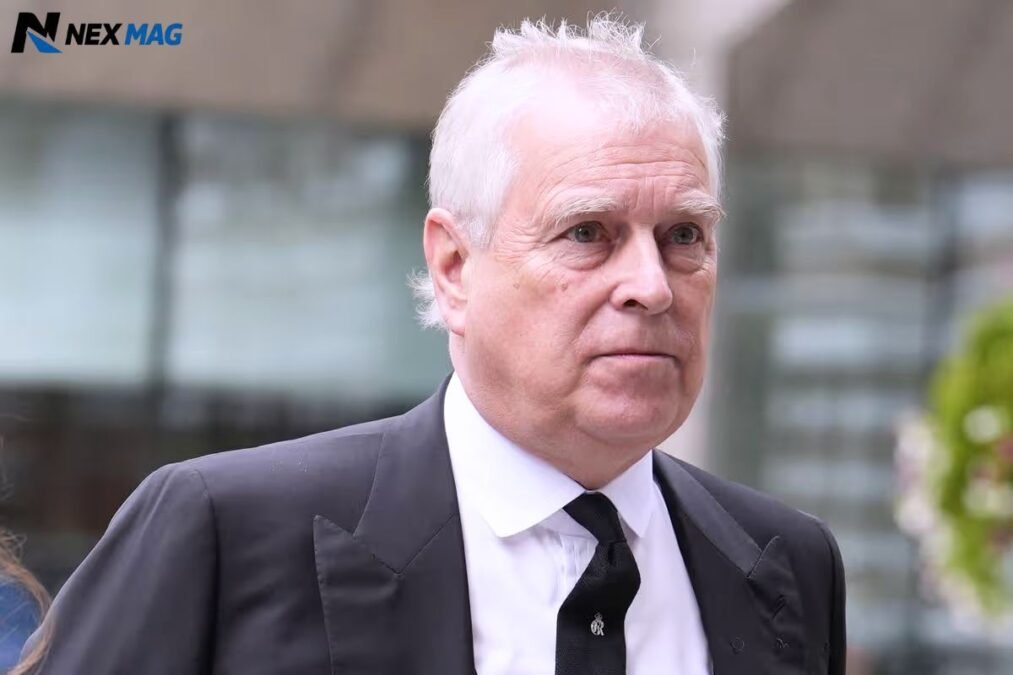
Prince Andrew is the younger brother of King Charles III and the second son of Queen Elizabeth II and Prince Philip. For many years, he was a visible royal figure, attending public events, representing the monarchy, and supporting military, business, and charitable causes.
His military background was once a major part of his public identity. He served in the Royal Navy and was known for his role during the Falklands War. For a long time, this service shaped how many people viewed him.
However, his public image changed sharply because of his association with Jeffrey Epstein and the allegations linked to that relationship. Andrew has repeatedly denied wrongdoing, but the controversy has had serious consequences for his royal status and public life.
Prince Andrew News: Latest Updates
The latest Prince Andrew news focuses on his reduced status, his changed living arrangements, and continued scrutiny over his past associations and finances.
In 2025, Buckingham Palace began a formal process to remove Andrew’s royal style, titles, and honours. He stopped using major titles connected to his royal role, including Duke of York, and became known publicly as Andrew Mountbatten-Windsor. The change marked one of the most serious royal demotions in modern British history.
A major development came when Andrew left Royal Lodge, the Windsor residence where he had lived for many years. Reuters reported in February 2026 that he moved from Royal Lodge to the King’s Norfolk estate after renewed Epstein-related revelations and public pressure.
His living arrangements have become part of a larger debate about royal property and public accountability. A National Audit Office update in June 2026 noted details about the Royal Lodge lease, including a possible compensation payment linked to early surrender of the property.
Why This News Matters
Prince Andrew news matters because it touches several sensitive questions. How should the monarchy respond when a senior family member becomes a public liability? What level of transparency should apply to royal property and finances? How does the institution protect its reputation while managing family relationships behind palace walls?
For King Charles, the Andrew issue is especially difficult. He is not only the monarch but also Andrew’s brother. The decisions around titles, residence, public appearances, and financial support all carry emotional and constitutional weight.
The monarchy depends heavily on public trust. When controversies continue for years, they can damage the image of stability and duty that the Royal Family works hard to present. Andrew’s case has forced the Palace to show that royal status does not automatically protect someone from consequences.
Royal Titles and Public Role
One of the biggest changes in Prince Andrew news is his loss of royal standing. He no longer performs official royal duties and has been pushed far away from the central working structure of the monarchy.
The removal of titles and honours was more than a symbolic move. It sent a clear message that Andrew’s public royal life had effectively ended. Buckingham Palace’s decision showed that the King wanted distance between Andrew’s personal controversies and the official work of the monarchy.
This also affects how Andrew appears at public events. In earlier years, he could attend major royal occasions with status and visibility. Now, his presence is limited, sensitive, and often controversial.
Reports in June 2026 said Andrew was excluded from major royal events such as Garter Day, which once had personal importance for him because of his former royal honours. This kind of exclusion shows how complete his separation from ceremonial royal life has become.
Royal Lodge and Property Questions
Royal Lodge has become one of the most discussed parts of the Prince Andrew news cycle. The property was not simply a private home; it was a symbol of Andrew’s old royal life.
For years, questions were raised about how he could maintain such a large residence after stepping back from public duties. Those questions became sharper as public attention turned toward royal finances and property arrangements.
The National Audit Office’s review added more detail to the public debate. It raised questions about lease terms, early surrender arrangements, and how royal properties are managed.
This matters because royal property is always politically sensitive. Even when arrangements are technically private or legally valid, the public often asks whether they feel fair, transparent, and appropriate.
Legal and Public Scrutiny
Another major part of Prince Andrew news is continued legal and public scrutiny connected to Jeffrey Epstein. Andrew has denied allegations against him, but his association with Epstein remains central to the controversy.
Reuters reported in February 2026 that British officials would consider legislation to remove Andrew from the royal line of succession after the ongoing police investigation concluded. Any change to succession would be complicated because it would require consultation with other countries where King Charles is head of state.
This shows how Andrew’s situation goes beyond reputation. It reaches into constitutional territory. Even if his chance of becoming monarch is extremely remote, his place in the line of succession remains a matter of public and political interest.
The key point is that Andrew’s story is no longer only about royal gossip. It involves legal process, parliamentary interest, palace decision-making, and public confidence.
Impact on King Charles
King Charles has tried to shape a more disciplined and modern monarchy. The Andrew situation has tested that goal.
By removing Andrew from royal status and official visibility, the King has taken a harder line than the Palace appeared to take in earlier years. This has helped create distance between Andrew and the working monarchy.
Still, the issue is not fully closed. Every new report about Andrew’s residence, money, public appearance, or legal position brings the story back into the headlines. That makes it harder for the Palace to control the wider royal narrative.
For Charles, the challenge is balance. He must protect the monarchy as an institution while managing a family member whose situation remains deeply controversial.
Impact on the Royal Family
The wider Royal Family has also been affected. Prince William and Catherine, Princess of Wales, are often seen as the future-facing image of the monarchy. Their public work depends on trust, stability, and a clean break from older scandals.
Andrew’s continued presence in royal news creates a distraction from that image. It also increases pressure on the Palace to be transparent and decisive.
The younger generation of royals has largely kept distance from Andrew’s controversies. This distance is important because the monarchy’s future depends on public belief that it can adapt and learn from difficult moments.
Public Reaction
Public reaction to Prince Andrew news has remained strong because the subject combines royal privilege, serious allegations, money, and accountability.
Many people believe the Palace should have acted sooner. Others see the recent decisions as necessary steps to protect the monarchy. There is also a group of royal watchers who focus on the family drama, especially the tension between private loyalty and public duty.
Media coverage has been intense in both Britain and abroad. British outlets focus heavily on constitutional and royal property issues, while international media often frame the story as part of the monarchy’s broader struggle with scandal and modernization.
What the Latest News Means
The latest Prince Andrew news means his royal life has changed permanently. His public role is effectively over, his titles and honours have been removed or abandoned, and his connection to major royal ceremonies has been sharply reduced.
It also means Buckingham Palace is trying to set boundaries. The Palace appears to be drawing a line between the official monarchy and Andrew’s personal situation.
For the monarchy, this may help reduce damage in the long term. But it does not erase the past. As long as legal, financial, or property questions remain active, Andrew will continue to appear in the news.
What Could Happen Next
Several issues could shape future Prince Andrew news.
The first is the outcome of any legal or police-related developments. If there are further updates, they could quickly become major national news.
The second is the question of succession. Reuters reported that the UK government could consider removing Andrew from the line of succession after the investigation ends, but that process would be complex and require wider agreement.
The third is money and property. Royal finances are under closer public attention, and any fresh details about Andrew’s support, housing, or lease arrangements may create further debate.
The fourth is public appearances. Even small appearances can become headlines because Andrew is now so closely watched. His presence at any royal-linked setting is likely to be examined carefully.
Why Accurate Reporting Matters
Prince Andrew news can easily become confusing because it includes confirmed facts, palace statements, legal reports, anonymous sources, and public speculation.
For readers, it is important to separate verified updates from rumours. A responsible article should be clear when something has been officially confirmed and careful when discussing allegations or reports.
Andrew has denied wrongdoing, and legal processes must be treated carefully. At the same time, the public consequences of his association with Epstein and the Palace’s response are well documented.
Good reporting should not sensationalize the story. The facts are already significant enough.
Conclusion
Prince Andrew news remains important because it shows how the modern monarchy handles scandal, reputation, and accountability. Andrew’s removal from royal life, his departure from Royal Lodge, and the continued debate over legal and financial questions all point to a major shift in his position.
For King Charles and the Royal Family, the message is clear: the monarchy is trying to protect its future by distancing itself from controversy. But the story is not fully finished.
In the coming months, the most important things to watch will be legal updates, property arrangements, possible succession discussions, and any further Palace decisions. Prince Andrew may no longer be a working royal, but his story continues to influence how people view the Royal Family today.
FAQs
1. Why is Prince Andrew still making headlines?
Prince Andrew continues to appear in the news because of ongoing discussions about his royal status, past controversies, property arrangements, and their impact on the British Royal Family.
2. Does Prince Andrew still perform official royal duties?
No. Prince Andrew is no longer a working member of the Royal Family and does not carry out official royal engagements on behalf of the monarchy.
3. What is Prince Andrew’s current role within the Royal Family?
Prince Andrew remains a member of the Royal Family by birth, but he has stepped away from public royal duties and has a very limited role in official events.
4. How has Prince Andrew’s situation affected the monarchy?
His situation has increased public scrutiny of the Royal Family, prompting efforts to strengthen transparency, protect the monarchy’s reputation, and focus attention on working royals.
5. What can readers expect from future Prince Andrew news?
Future updates may involve royal property matters, official Palace decisions, legal developments, and any announcements that could further influence his public position.
