

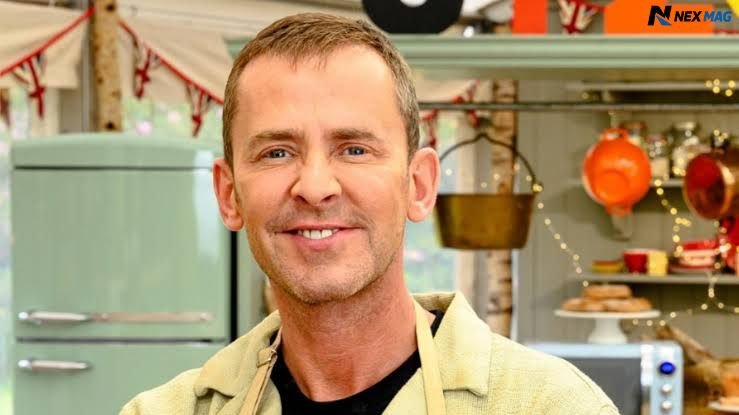
Scott Mills was one of the BBC’s most familiar voices for nearly three decades. His move from BBC Radio 1 to Radio 2, followed by his appointment as host of the Radio 2 Breakfast Show, appeared to mark another major step in a long and successful broadcasting career.
That is why his sudden departure from the BBC in March 2026 shocked listeners and many of his colleagues. The announcement was brief, the broadcaster offered few details, and Mills disappeared from one of Britain’s most prominent radio programmes with little public warning.
The lack of a detailed explanation immediately led people to ask: why was Scott Mills sacked?
The confirmed answer is that the BBC ended its relationship with Mills following allegations concerning his personal conduct and after what the corporation described as new information came to light. However, the BBC has not publicly explained the exact nature of that new information.
Separate reporting subsequently revealed that Mills had previously been questioned during a historical police investigation involving allegations of serious sexual offences against a teenage boy. Mills was never charged, prosecutors concluded that there was insufficient evidence to bring a case, and the investigation was closed in 2019.
These distinctions are important. A workplace decision made by the BBC is not the same as a criminal conviction, and allegations should not be reported as proven facts.
BIO
| Label | Information |
|---|---|
| Topic | Why Was Scott Mills Sacked? |
| Person | Scott Mills |
| Profession | British radio and TV presenter |
| Employer | BBC (former) |
| Known For | BBC Radio 1 and Radio 2 |
| Main Issue | Dismissal over personal conduct concerns |
| BBC Statement | Contract ended after new information |
| Police Investigation | Historical investigation reported |
| Criminal Charges | No charges were brought |
| Public Response | Mixed reactions from listeners and media |
| Current Status | No longer employed by the BBC |
| Article Focus | Verified facts, official statements, and rumors explained |
Who Is Scott Mills?
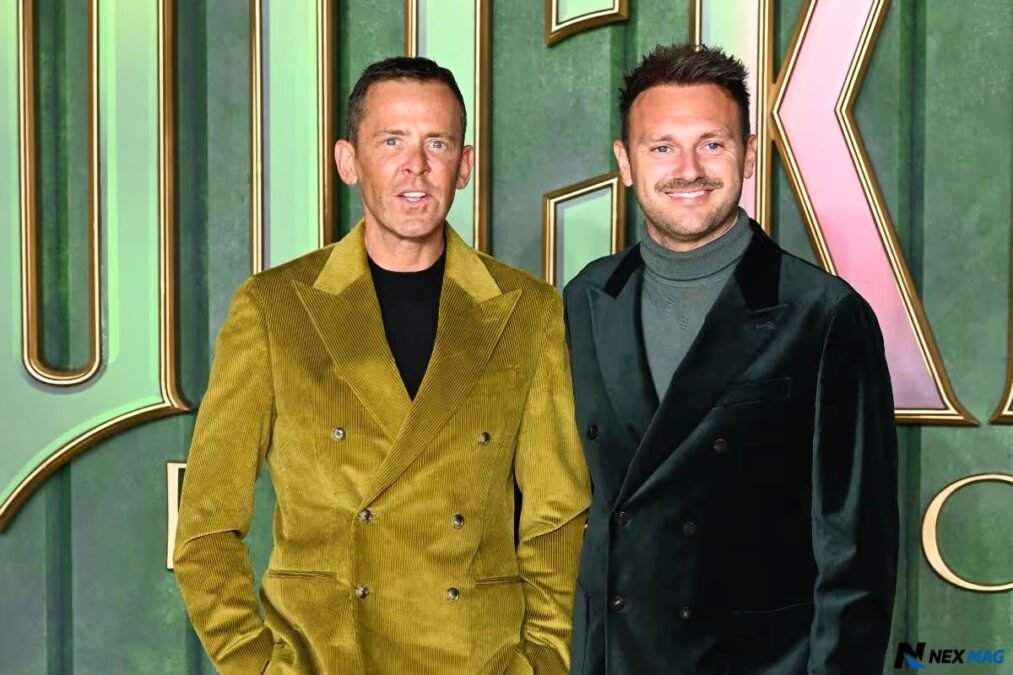
Scott Mills is a British radio and television presenter who became known for his energetic broadcasting style, celebrity interviews and entertainment-led radio programmes.
His broadcasting career began at a young age. Before joining the BBC, he worked for several commercial radio stations and steadily developed a reputation as a confident and accessible presenter.
Mills joined BBC Radio 1 in 1998. Over the following years, he became one of the station’s longest-serving and most recognisable personalities. His programmes mixed music with comedy features, listener participation, entertainment news and conversations about everyday life.
Alongside his radio work, Mills appeared on a range of BBC television programmes. He competed in Strictly Come Dancing in 2014 and became involved in Eurovision coverage, charity broadcasts and other entertainment projects.
In 2022, he left BBC Radio 1 after more than two decades and moved to BBC Radio 2. His departure from Radio 1 was presented as a major career transition rather than a dismissal.
Mills later took over the Radio 2 Breakfast Show in January 2025, succeeding Zoe Ball. Hosting the breakfast programme placed him at the centre of the BBC’s national radio schedule and gave him one of the most influential jobs in British broadcasting.
What Happened in March 2026?
The first visible sign of a problem was Mills’ unexpected absence from the Radio 2 Breakfast Show.
He was taken off the air in late March, with veteran broadcaster Gary Davies stepping in as a temporary replacement. At that stage, listeners were not given a full explanation for Mills’ absence.
On 30 March 2026, the BBC confirmed that Mills was no longer contracted to work for the corporation. Reports described the decision as an immediate dismissal connected to allegations about his personal conduct.
The announcement surprised listeners because Mills had only been presenting the breakfast show since January 2025. It also surprised some BBC colleagues, who reportedly learned about the decision shortly before or during their own broadcasts.
The speed of the announcement, combined with the lack of detailed information, created an atmosphere in which speculation spread rapidly.
However, the BBC’s public position remained limited. It confirmed that Mills had left but initially declined to reveal the specific allegations or the evidence considered during its decision-making process.
Why Was Scott Mills Sacked?
The most accurate answer is that Scott Mills was sacked after the BBC received new information relating to allegations about his personal conduct.
The corporation said its decision was taken in accordance with its culture and values. It did not publicly describe the new information or explain precisely which internal rule it believed had been breached.
This means it would be misleading to claim that every detail of the dismissal is known.
Reports connected the BBC’s decision with claims involving what was described as a historical relationship. Shortly after the dismissal was announced, it also became public that Mills had previously been questioned as part of a police investigation into alleged historical sexual offences.
The Metropolitan Police investigation concerned allegations relating to a teenage boy under the age of 16. The alleged events were said to have taken place between 1997 and 2000.
A man in his 40s was questioned under caution in 2018, and the police passed a file to the Crown Prosecution Service. Prosecutors later decided that there was insufficient evidence to bring charges. The investigation was closed in May 2019.
Mills was therefore not charged, tried or convicted in connection with that investigation.
The BBC later stated that new information had emerged before it terminated his contract. Nevertheless, it has not publicly confirmed whether that information represented new allegations, additional details about previously known claims, an internal complaint or another form of evidence.
As a result, the responsible conclusion is that Mills was dismissed over personal-conduct concerns following new information, but the complete basis for the decision has not been made public.
What Did the BBC Know?
One of the most important questions surrounding the controversy concerns what the BBC knew and when it knew it.
The corporation later acknowledged that it had been aware of the historical police investigation from 2017. That raised questions about why Mills continued to work for the BBC, received prominent presenting roles and eventually became host of the Radio 2 Breakfast Show.
The BBC apologised for its response after concerns about Mills had reportedly been raised with the broadcaster before his dismissal. It said the eventual decision to terminate his contract followed the arrival of new information.
This suggests that the BBC considered the later information materially different from what it had previously known. However, because the broadcaster has not released the evidence, the public cannot independently assess why the new information changed its position.
The controversy therefore became about more than one presenter. It also raised questions about the BBC’s internal safeguarding processes, how complaints involving high-profile employees are assessed and whether information is properly shared between departments.
The BBC has a responsibility to protect individuals who raise concerns while also treating employees fairly. That balance can make public statements deliberately limited, particularly when allegations have not resulted in criminal charges.
Still, the absence of detail left listeners uncertain about both the original handling of the matter and the final decision.
Was Scott Mills Charged?
No. Scott Mills was not charged in relation to the historical police investigation reported after his dismissal.
The police investigated allegations of serious sexual offences and questioned him under caution. A file was sent to the Crown Prosecution Service, but prosecutors decided that the available evidence did not meet the required threshold for charges.
The investigation was subsequently closed.
This fact must be stated clearly because online discussions can easily blur the distinction between being investigated, being questioned and being convicted.
A police interview does not prove guilt. Similarly, a decision not to prosecute does not necessarily establish that an allegation was false. It means prosecutors concluded that there was insufficient evidence to bring a criminal case under the applicable legal test.
The BBC, as an employer, did not need to apply the criminal standard of proof before making an employment decision. Employers can act according to contractual rules, internal policies, reputational considerations and workplace standards.
That does not mean the broadcaster established criminal wrongdoing. It means the BBC decided, on the information available to it, that Mills should no longer remain under contract.
Did Scott Mills Respond?
Mills did not immediately issue a detailed public response after his dismissal.
According to later reporting, he said that he had cooperated fully with the historical investigation and did not intend to make further public comments at that time.
His limited response left several questions unanswered, including whether he disputed the new information considered by the BBC, whether he planned to appeal the employment decision and whether he believed the corporation had followed a fair process.
Silence in such circumstances should not automatically be interpreted as an admission. Public figures may avoid detailed statements for legal, personal or professional reasons, particularly when allegations are sensitive.
Without a fuller response from Mills or additional information from the BBC, the public record remains incomplete.
Why Did the Story Create So Much Confusion?
The story became difficult to follow because several different issues were discussed at the same time.
The first was the BBC’s employment decision. The second was the historical police investigation. The third involved reports of new information or a new complaint. These matters may have been connected, but they were not identical.
Some headlines presented the historical investigation as the direct and complete reason Mills was dismissed. The BBC, however, initially declined to say whether that investigation itself caused the dismissal.
The corporation later referred to new information about his conduct, suggesting that its decision was based on more than the simple existence of an investigation it had apparently known about for years.
Social media further complicated the situation. Users repeated partial reports, removed important legal context and sometimes presented allegations as settled facts.
A careful account must therefore recognise three points:
Mills was dismissed by the BBC over personal-conduct concerns.
A historical criminal investigation had ended without charges.
The BBC has not publicly released the new information that triggered its final decision.
Any article claiming to know substantially more than this should be treated cautiously unless it is supported by reliable, on-the-record evidence.
The Public Reaction
The reaction from listeners was mixed.
Many people expressed shock because Mills had spent such a large part of his career at the BBC. For regular listeners, his voice had been part of daily radio for years, and his sudden disappearance created a sense of uncertainty.
Others focused on the seriousness of the reported allegations and argued that the BBC had a duty to take any new information seriously.
There was also criticism of the BBC’s earlier handling of the matter. Once the corporation confirmed that it had known about the police investigation years before the dismissal, questions emerged about why no stronger internal review had apparently taken place at that stage.
At the same time, some commentators warned against treating unproven allegations as established guilt. They pointed to the fact that the criminal investigation had concluded without charges and argued that Mills was entitled to fair treatment.
These reactions reflect the difficult balance involved. The BBC had to consider safeguarding and workplace standards, while journalists and members of the public had to avoid prejudging allegations that had not been tested in court.
What Happened to His Other Work?
The consequences extended beyond BBC Radio 2.
Channel 4 decided not to broadcast an episode of The Great Celebrity Bake Off for Stand Up to Cancer that was expected to feature Mills. The broadcaster referred to the seriousness of the allegations when explaining its decision.
Mills also stepped away from an ambassadorial position with the MS Society UK, while another charity reportedly ended its association with him. He was removed from other planned media work connected with the BBC.
These decisions illustrate how quickly allegations involving a prominent public figure can affect projects across several organisations.
They do not represent criminal findings. Each organisation made its own reputational, editorial or safeguarding decision based on the information available at the time.
Who Replaced Scott Mills?
Gary Davies initially covered the Radio 2 Breakfast Show after Mills was taken off the air.
In April 2026, the BBC announced that Sara Cox would become the new permanent host of the breakfast programme. Cox was already a well-established Radio 2 presenter and had previously hosted the station’s teatime show.
Her appointment allowed Radio 2 to restore stability to its flagship morning schedule following several weeks of uncertainty.
For the BBC, replacing Mills was not simply a matter of filling an empty presenting slot. The breakfast show is central to the station’s identity, audience figures and daily programming. Selecting an experienced broadcaster was therefore an important step in moving forward after the controversy.
Scott Mills’ Broadcasting Legacy
The circumstances of Mills’ departure inevitably changed the way his BBC career was discussed.
Before the controversy, he was widely recognised as one of the corporation’s most experienced entertainment presenters. His long Radio 1 career included popular recurring features, major interviews and programmes that attracted loyal audiences.
He successfully moved from a youth-focused station to Radio 2, something not every presenter manages. His appointment to the breakfast show demonstrated the BBC’s confidence in his ability to lead a nationally important programme.
However, public legacies are rarely fixed. His broadcasting achievements remain part of the record, but his dismissal and the allegations surrounding it have become part of that record as well.
It is possible to acknowledge the importance of his work without dismissing the seriousness of the concerns that led the BBC to act. It is equally important not to describe unresolved allegations as proven offences.
Rumors Versus Confirmed Facts
Several claims circulated after Mills left the BBC, but not all were supported by official information.
It is confirmed that the BBC ended his contract over allegations concerning personal conduct. It is also confirmed that the corporation referred to new information when explaining why it acted in 2026.
It is confirmed that Mills had been questioned during a historical police investigation and that the investigation ended without charges because prosecutors considered the evidence insufficient.
What remains unconfirmed is the exact content of the new information received by the BBC.
It is also unclear whether the dismissal followed a complete internal investigation, whether Mills formally challenged the decision or whether further details will eventually become public.
Readers should therefore be cautious about reports claiming to provide a definitive private account of meetings, complaints or evidence unless those claims are independently verified.
What Happens Next?
The long-term consequences for Mills remain uncertain.
His immediate BBC career ended, several associated projects were cancelled or changed, and charities reconsidered their relationships with him. Whether he will return to broadcasting in another role is unknown.
More information could emerge if Mills makes a fuller public statement, takes legal or employment action, or if the BBC publishes the findings of an internal review.
There is also continuing pressure on the BBC to explain how it handles serious complaints involving well-known presenters. The corporation may face questions about whether its procedures were followed consistently and whether earlier warnings received sufficient attention.
Until additional verified information becomes available, responsible reporting should remain focused on what has been officially confirmed.
Final Thoughts
So, why was Scott Mills sacked?
The BBC dismissed him in March 2026 after receiving new information relating to allegations about his personal conduct. The broadcaster said the decision reflected its culture and values, but it did not disclose the exact information behind the dismissal.
The controversy was later linked in public reporting to a historical police investigation involving allegations of serious sexual offences against a teenage boy. Mills was questioned, but he was not charged, and the investigation was closed after prosecutors found insufficient evidence to proceed.
That legal outcome remains an essential part of the story.
The BBC’s employment decision and the criminal investigation should not be treated as the same thing. The corporation was entitled to make a workplace decision based on its own policies, but that decision does not amount to a criminal conviction.
For readers trying to understand the full story, the most reliable approach is to separate confirmed facts from rumors. Scott Mills was sacked over personal-conduct concerns, new information influenced the BBC’s decision, and significant details remain outside the public domain.
Frequently Asked Questions
Why was Scott Mills sacked by the BBC?
The BBC ended Scott Mills’ contract after receiving new information connected to allegations about his personal conduct. However, the corporation did not publicly reveal the exact details behind its decision.
Was Scott Mills charged with a crime?
No. Scott Mills was questioned during a historical police investigation, but he was never charged. Prosecutors decided there was insufficient evidence to bring a criminal case.
What did the BBC officially say?
The BBC said Mills was no longer contracted to work for the corporation and that its decision reflected its culture and values. It provided only limited details about the allegations.
Did Scott Mills respond to his dismissal?
Mills reportedly stated that he had cooperated fully with the historical investigation. He did not immediately release a detailed public statement addressing the BBC’s employment decision.
Who replaced Scott Mills on Radio 2?
Gary Davies initially covered the Radio 2 Breakfast Show following Mills’ departure. Sara Cox was later announced as the programme’s permanent presenter.
