

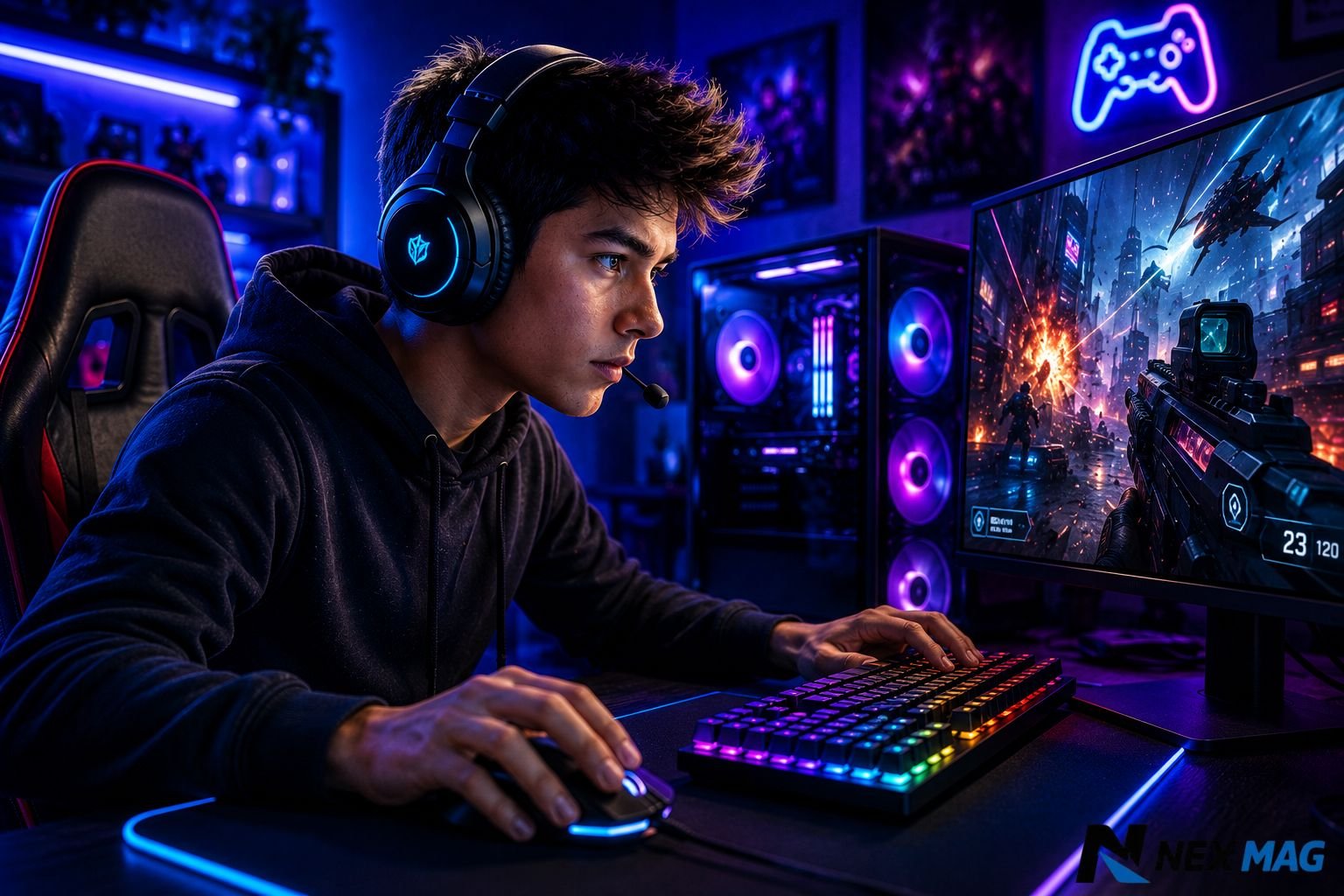
Gaming is no longer just a way to pass the time. For millions of players around the world, it has become a competitive hobby that combines strategy, skill, teamwork, and personal growth. Whether you enjoy action games, strategy titles, battle arenas, or multiplayer challenges, one thing remains true: every player wants to win more often and perform better.
The Playing Games Blog PlayBattleSquare is dedicated to helping gamers understand what separates average players from successful ones. While some people believe winning is based entirely on natural talent, experienced gamers know that consistent victories come from preparation, learning, and smart decision-making.
Every skilled player started as a beginner. The difference is that successful players actively worked on improving their weaknesses while strengthening their strengths. They learned from mistakes, adapted to challenges, and developed habits that helped them perform at a higher level.
If you have ever wondered why some players consistently outperform others, the answer is usually not luck. It is often the result of better understanding, smarter practice, stronger focus, and a willingness to learn.
In this comprehensive guide, we will explore seven proven tips that can help you improve your gameplay and achieve better results. Whether you are new to gaming or already have years of experience, these strategies can help you become a more effective and confident player.
Understanding the Importance of Smart Gaming
Before diving into the tips, it is important to understand why many players struggle to improve.
A common misconception in gaming is that simply playing more hours automatically leads to better performance. While experience certainly helps, time alone does not guarantee improvement. Many players spend hundreds of hours repeating the same mistakes because they never stop to evaluate their performance.
Research in skill development consistently shows that deliberate practice is far more effective than mindless repetition. The same principle applies to gaming. Players who actively analyze their gameplay, study strategies, and focus on improvement often progress much faster than those who simply play for longer periods.
Winning consistently requires more than fast reflexes. It requires understanding, patience, adaptability, and mental discipline.
The good news is that these qualities can be developed by anyone willing to invest the effort.
Tip 1: Master the Fundamentals Before Chasing Advanced Strategies
One of the biggest mistakes many gamers make is trying to learn advanced tactics before mastering the basics.
Every game has foundational mechanics that influence everything else. These fundamentals include movement, positioning, timing, resource management, map awareness, objective control, and understanding how different systems interact.
Players often become fascinated by professional-level strategies and attempt to copy them immediately. However, advanced tactics only work effectively when built upon strong fundamentals.
Imagine a basketball player attempting complex trick shots before learning proper shooting technique. The same principle applies in gaming.
Strong fundamentals create consistency.
When players understand the core mechanics deeply, they can react more naturally and make better decisions under pressure. They spend less mental energy figuring out basic actions and more energy focusing on strategy.
Take time to learn:
- Core game objectives
- Character abilities and limitations
- Movement systems
- Resource management mechanics
- Scoring methods
- Strengths and weaknesses of different playstyles
The stronger your foundation becomes, the easier it will be to learn advanced techniques later.
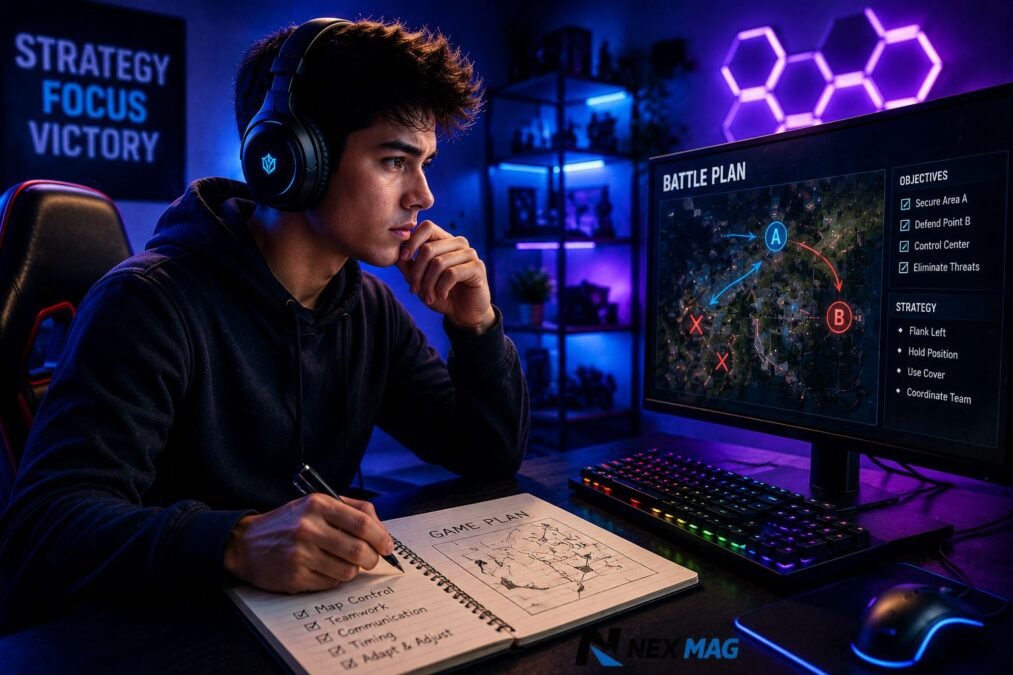
Tip 2: Create a Game Plan Before Every Match
Many players enter matches without any clear strategy. They simply react to events as they happen.
While adaptability is important, having a plan provides direction and confidence.
Professional competitors rarely enter a match without preparation. They study opponents, evaluate strengths and weaknesses, and develop strategies designed to maximize their chances of success.
You do not need professional-level preparation to benefit from strategic thinking.
Before starting a match, ask yourself:
- What is my objective?
- What role will I play?
- What are my strengths?
- What challenges might I face?
- How should I respond if things go wrong?
These questions help create a framework for decision-making.
A good strategy does not guarantee victory, but it helps prevent confusion and panic during difficult situations.
Players with a plan often outperform equally skilled players who rely entirely on improvisation.
Remember that flexibility remains important. Strategies should guide your decisions rather than restrict them. Adapt when circumstances change, but always maintain a clear sense of direction.
Tip 3: Study Skilled Players and Learn From Their Habits
One of the fastest ways to improve is by observing players who consistently perform at a high level.
Successful players provide valuable examples of effective gameplay. Watching their matches can reveal techniques, strategies, and decision-making processes that may not be obvious during your own games.
However, many people watch skilled players incorrectly.
Instead of focusing only on exciting moments, pay attention to the small decisions that lead to success.
Observe:
- Positioning choices
- Timing of actions
- Resource management
- Team coordination
- Defensive strategies
- Risk assessment
These details often matter more than flashy plays.
Professional gamers and top-ranked players spend years refining their habits. By studying them carefully, you can accelerate your own learning process.
Learning from experts allows you to benefit from their experience without making every mistake yourself.
Keep a notebook or digital document where you record useful observations. Reviewing these notes can help reinforce important lessons and provide ideas for future improvement.
Tip 4: Improve Communication and Team Coordination
Many modern games rely heavily on teamwork.
Even highly skilled players can struggle when communication breaks down. Conversely, teams with average individual talent often achieve impressive results through effective coordination.
Communication serves several important purposes:
- Sharing information
- Coordinating objectives
- Warning teammates about threats
- Organizing strategies
- Maintaining team focus
The key is clarity.
Effective communication should be simple, concise, and relevant. Overloading teammates with unnecessary information can be just as harmful as saying nothing.
Good communicators focus on helping the team rather than criticizing mistakes.
Positive communication creates stronger teamwork and better performance.
When teammates feel respected and supported, they are more likely to cooperate effectively.
Remember that communication extends beyond voice chat. Timing, positioning, and consistent actions can also communicate intentions to teammates.
Strong teams develop trust, and trust often becomes a significant competitive advantage.
Tip 5: Practice With Purpose Instead of Playing Mindlessly
Many players believe that spending more hours gaming automatically leads to improvement.
Unfortunately, this is not always true.
Two players can spend the same amount of time practicing and achieve very different results depending on how they use that time.
Purposeful practice focuses on specific goals.
Instead of simply playing match after match, identify areas that need improvement.
Examples include:
- Aim accuracy
- Reaction speed
- Positioning
- Map knowledge
- Decision-making
- Team communication
- Resource management
Choose one or two skills to focus on during each practice session.
This approach allows you to measure progress more effectively and prevents feeling overwhelmed.
Focused practice creates faster improvement than random repetition.
Another valuable habit is reviewing your gameplay.
Many successful gamers regularly analyze recordings of their matches. Watching your own gameplay can reveal mistakes that are difficult to notice in real time.
You may discover patterns such as:
- Poor positioning
- Repeated decision-making errors
- Missed opportunities
- Communication breakdowns
- Unnecessary risks
Identifying these issues is the first step toward correcting them.
Tip 6: Turn Every Loss Into a Learning Opportunity
No player wins every game.
Even the most successful competitors experience defeats.
What separates strong players from struggling ones is how they respond to those losses.
Many gamers become frustrated after losing. They blame teammates, luck, game balance, or external factors.
While these factors can occasionally influence outcomes, focusing solely on them prevents growth.
Instead, approach losses with curiosity.
Ask yourself:
- What went wrong?
- What could I have done differently?
- Which mistakes were within my control?
- What lessons can I apply next time?
This mindset transforms defeats into valuable educational experiences.
Every loss contains information that can improve future performance.
In fact, some of the most significant improvements occur after difficult defeats because weaknesses become easier to identify.
Avoid becoming emotionally attached to individual results.
Long-term improvement matters far more than the outcome of any single match.
Players who embrace continuous learning often progress much faster than those who focus only on winning.
Tip 7: Build Mental Strength and Stay Calm Under Pressure
Gaming is as much a mental challenge as it is a technical one.
Many players perform well when conditions are comfortable but struggle when pressure increases.
High-pressure situations often cause:
- Panic
- Frustration
- Impulsive decisions
- Loss of focus
- Communication breakdowns
Mental resilience helps prevent these problems.
Learning to stay calm allows players to think clearly and execute strategies effectively, even during intense moments.
Several techniques can improve mental performance:
Control Your Emotions
Recognize frustration before it affects your decisions.
Taking a few deep breaths can help reset your focus and reduce emotional reactions.
Focus on the Present Moment
Avoid worrying about previous mistakes or future outcomes.
Concentrate on the current situation and the next decision you need to make.
Accept Mistakes
Mistakes are part of improvement.
Accepting them allows you to recover quickly instead of dwelling on errors.
Maintain Healthy Gaming Habits
Adequate sleep, hydration, and regular breaks contribute significantly to mental performance.
Fatigue often leads to poor decision-making and slower reaction times.
A calm mind performs better than a stressed one.
Mental strength becomes increasingly important as competition levels rise.
Bonus Tips for Long-Term Gaming Success
While the seven core tips provide a strong foundation, several additional habits can further accelerate improvement.
Optimize Your Gaming Environment
A comfortable setup reduces distractions and helps maintain focus.
Pay attention to:
- Seating posture
- Screen placement
- Audio quality
- Internet stability
- Equipment reliability
Small improvements in comfort can lead to better performance during long sessions.
Stay Updated
Games evolve through updates, balance adjustments, and new strategies.
Players who stay informed adapt more quickly than those who ignore changes.
Understanding the current state of the game helps maintain competitiveness.
Join Gaming Communities
Communities provide valuable opportunities to learn from other players.
Discussions often reveal new strategies, insights, and perspectives that can improve your gameplay.
Engaging with other passionate gamers can also increase motivation and enjoyment.
Set Realistic Goals
Improvement takes time.
Setting achievable milestones helps maintain motivation and provides a sense of progress.
Celebrate small victories along the way.
Frequently Asked Questions
How long does it take to become a better gamer?
Improvement depends on consistency, practice quality, and willingness to learn. Players who practice deliberately often notice progress within a few weeks.
Is natural talent necessary for success?
Talent can provide an initial advantage, but dedication, learning, and effective practice usually have a greater long-term impact.
Why do I keep making the same mistakes?
Repeated mistakes often occur when players fail to review their gameplay. Analyzing matches can help identify recurring issues.
How important is teamwork?
In team-based games, teamwork is often one of the most important factors influencing success. Strong coordination can overcome significant skill differences.
What should I do after a losing streak?
Take a short break, review recent matches, identify patterns, and focus on improvement rather than immediate results.
Conclusion
Success in gaming is rarely accidental. Consistent winners develop habits that support continuous improvement. They master fundamentals, create strategies, learn from experienced players, communicate effectively, practice with purpose, learn from defeats, and maintain mental composure under pressure.
The insights shared in this Playing Games Blog PlayBattleSquare guide are not quick fixes or shortcuts. Instead, they represent proven principles that successful players use across many different gaming genres and competitive environments.
Remember that improvement is a journey rather than a destination. Every match provides an opportunity to learn, adapt, and grow. Focus on gradual progress, remain open to feedback, and continue refining your skills.
With patience, discipline, and the right mindset, better wins will naturally follow—and your gaming experience will become far more rewarding along the way.
