


Introduction
In recent months, searches for “mary nightingale illness” have surged, sparking curiosity and concern among viewers. As a trusted face on British television, Mary Nightingale has built a reputation for professionalism and reliability. Naturally, any speculation about her health quickly captures public attention.
But how much of what’s circulating online is actually true? And how can readers separate fact from rumor?
This article takes a clear, balanced look at the topic—breaking down what is known, what remains unconfirmed, and why these conversations gain traction in the first place. It also offers guidance on how to approach celebrity health news responsibly.
BIO
| Label | Information |
|---|---|
| Name | Mary Nightingale |
| Profession | News presenter |
| Known For | ITV Evening News |
| Nationality | British |
| Topic | Mary Nightingale illness |
| Public Status | No confirmed serious illness |
| Source of Rumors | Social media and online searches |
| Verified Updates | Limited or none publicly confirmed |
| Public Interest | High due to her visibility |
| Privacy Level | Personal health kept private |
| Key Concern | Separating facts from speculation |
| Reader Takeaway | Rely on trusted sources only |
Who Is Mary Nightingale? A Quick Background
Career and Public Presence
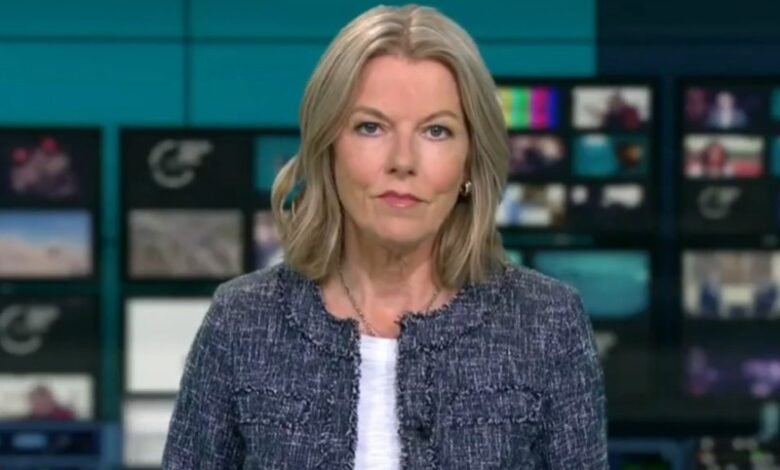
Mary Nightingale is one of the UK’s most recognizable news presenters, best known for anchoring ITV’s flagship evening news. With decades of experience in journalism, she has become a trusted and familiar figure in households across the country.
Her calm delivery, credibility, and consistency have made her a respected name in broadcast media.
Why Public Interest in Her Health Matters
When someone with such a visible role steps out of the spotlight—even briefly—people notice. Viewers often feel a sense of connection with long-standing presenters, which explains why topics like mary nightingale illness can quickly trend online.
However, this interest can sometimes blur the line between genuine concern and unnecessary speculation.
Mary Nightingale Illness: What We Know So Far
Verified Information vs Rumors
At the time of writing, there is no widely confirmed or officially disclosed serious illness associated with Mary Nightingale. Most of the discussions circulating online fall into the category of unverified claims or speculation.
This highlights an important point:
Not everything trending online reflects reality.
Reliable information about public figures—especially health-related—typically comes from:
- Official statements
- Reputable news organizations
- Direct appearances or interviews
Without these, it’s best to treat claims with caution.
Timeline of Recent Updates
Interest in “mary nightingale illness” appears to have grown due to:
- Occasional absence from broadcasts
- Social media discussions
- Increased search trends around her name
However, no clear timeline of a confirmed medical issue exists, reinforcing the idea that much of the buzz is speculative rather than factual.
What Is “Mary Nightingale Illness”? (Understanding the Search Trend)
The phrase “mary nightingale illness” is less about a specific diagnosed condition and more about a search-driven trend fueled by curiosity.
In many cases, when people search this term, they are trying to find answers to questions like:
- Is she currently unwell?
- Has she taken a break from work?
- Are there official updates about her health?
This makes it a classic example of how search intent doesn’t always equal confirmed reality.
For a broader understanding of how public figures are perceived and documented, you can explore this overview:
Common Speculation Around Mary Nightingale Illness
Social Media Buzz and Misinformation
Social media platforms play a major role in amplifying rumors. A single post suggesting a health issue can quickly spread, especially if:
- It lacks proper sourcing
- It uses emotional or alarming language
- It gets shared repeatedly
In the case of mary nightingale illness, many claims appear to originate from unverified or informal sources rather than credible journalism.
Why Health Rumors Go Viral
Celebrity health rumors spread quickly for a few reasons:
- Emotional engagement: People feel concerned about familiar faces
- Curiosity: Lack of information creates speculation
- Algorithm-driven exposure: Trending topics get amplified
This combination often leads to misinformation gaining more visibility than verified facts.
Understanding Privacy and Public Figures’ Health
Why Celebrities Keep Health Issues Private
Even public figures have a right to privacy. Health is a deeply personal matter, and many choose not to disclose details unless necessary.
Reasons include:
- Protecting personal well-being
- Avoiding unnecessary media attention
- Maintaining professional focus
In the case of Mary Nightingale, the absence of confirmed information may simply reflect a deliberate choice to keep personal matters private.
Ethical Reporting on Illness
Responsible journalism avoids:
- Speculating without evidence
- Publishing unverified claims
- Invading personal privacy
Readers also play a role by choosing credible sources over sensational headlines.
How to Identify Reliable Information About Health News
When topics like mary nightingale illness start trending, it’s important to evaluate information carefully.
Step 1: Check Trusted News Sources
Look for coverage from established media outlets. If major organizations aren’t reporting it, the claim may not be reliable.
Step 2: Avoid Clickbait Headlines
Be cautious of titles that:
- Use dramatic language
- Promise “shocking truths”
- Lack clear sources
These are often designed to attract clicks rather than inform.
Step 3: Cross-Verify Information
Before believing or sharing anything:
- Compare multiple sources
- Look for official confirmation
- Check publication dates
Step 4: Consider the Source
Ask yourself:
- Is this a verified account or website?
- Does it have a history of accuracy?
This simple process can help you avoid misinformation and stay informed.
Examples of Similar Celebrity Health Rumors
Past Cases of Misreported Illnesses
Mary Nightingale is not the first public figure to face health-related speculation. Many celebrities have experienced similar situations where:
- Rumors spread without confirmation
- Temporary absences sparked concern
- False reports gained traction online
Lessons Learned From Media Coverage
These cases highlight key lessons:
- Misinformation spreads faster than facts
- Public figures often remain silent to protect privacy
- Audiences must approach such topics critically
Understanding this context helps put mary nightingale illness discussions into perspective.
Tips for Readers: Staying Informed Without Misinformation
Follow Official Channels
If updates are available, they are most likely to appear on:
- Official broadcaster announcements
- Verified social media accounts
Be Skeptical of Unverified Claims
Not every trending topic reflects reality. Always question:
- Where the information comes from
- Whether it’s backed by evidence
Avoid Sharing Rumors
Spreading unverified claims can contribute to:
- Public confusion
- Unnecessary concern
- Potential harm to individuals
Focus on Facts, Not Hype
A calm, fact-based approach helps you stay informed without being misled.
The Ultimate Beginner’s Guide to whosvalora Explained 2026
FAQ About Mary Nightingale Illness
Is Mary Nightingale currently ill?
There is no confirmed public information indicating that she is currently suffering from a serious illness.
Has she announced any health condition?
No official statements have been made regarding a specific health issue.
Why are people searching for mary nightingale illness?
The search trend appears to be driven by curiosity, social media discussions, and occasional speculation.
Are the rumors about her health true?
Most circulating claims are unverified. It’s important to rely on credible sources for accurate information.
Where can I find reliable updates?
Trusted news outlets and official announcements are the best sources for accurate updates.
Should I trust social media claims?
Not without verification. Social media often spreads rumors that may not be accurate.
Conclusion
The growing interest in mary nightingale illness reflects how quickly curiosity can turn into widespread speculation—especially when it involves a well-known public figure.
However, the key takeaway is clear:
There is no confirmed evidence of a serious illness, and much of the discussion is based on unverified information.
As readers, staying informed means:
- Prioritizing credible sources
- Avoiding sensational content
- Respecting personal privacy
In a world where information spreads instantly, a thoughtful and responsible approach ensures that we stay accurate, informed, and fair—both to ourselves and to the individuals at the center of these conversations.
